Choosing between a manual and an electric rolling mill is one of the most practical decisions a jeweler, metalworker, or small fabricator has to make. Both machines reduce metal thickness and shape sheet or wire, but they demand very different things from the operator and the workspace. A manual mill rewards patience and low overhead; an electric mill trades money and floor space for speed, consistency, and less physical strain. The right answer depends less on which machine is objectively superior and more on your daily volume, your budget, and the kind of work you actually do. This guide breaks down how each type behaves in real workshop conditions so you can decide with confidence.
How a Rolling Mill Works and Why the Drive System Matters
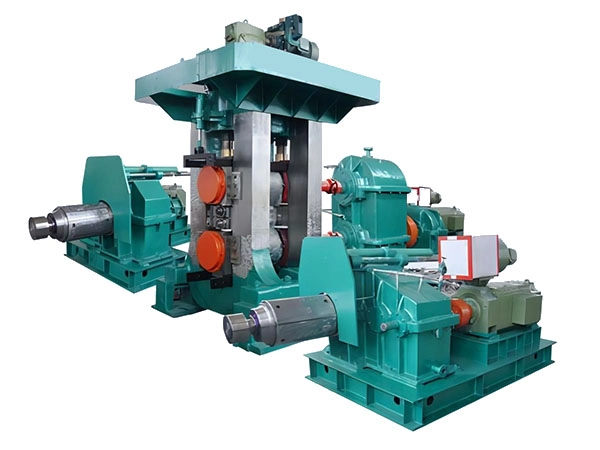
Every rolling mill, regardless of power source, works on the same principle: metal is passed between two hardened steel rolls, and the gap between them is gradually reduced to thin the workpiece. The rollers flatten, elongate, and often texture the metal in the process.
The difference lies in how those rollers are turned. A manual mill uses a hand crank, sometimes with a reduction gearbox. An electric mill uses a motor to drive the rollers at a steady, repeatable speed. That single design decision ripples outward into productivity, precision, fatigue, safety, and cost.
Because the physics are identical, the comparison is not about capability but about operating economics — how much metal you process, how often, and at what labor cost.
Manual Rolling Mill: Strengths and Limitations
Where a Manual Mill Excels
- Low purchase cost: Hand-operated mills are the most affordable entry point into rolling, which matters for hobbyists and new studios.
- No power requirement: You can run one anywhere — a small bench, a home studio, or a workshop without reliable electricity.
- Fine tactile control: Experienced operators feel resistance through the crank and can judge reduction by hand, which suits delicate or short runs.
- Compact footprint: Most manual mills mount on a bench or a small stand and are easy to move or store.
- Simple maintenance: Fewer components means fewer failure points and inexpensive repairs.
Where a Manual Mill Falls Short
- Thinning a large billet requires many passes and considerable upper-body effort.
- Output is limited by the operator's stamina, so long production days become physically punishing.
- Crank speed varies between passes, which can produce slightly less uniform results across a batch.
- One person cannot easily feed metal and crank at the same time, so large sheets need a second pair of hands.
Electric Rolling Mill: Strengths and Limitations
Where an Electric Mill Excels
- Consistent roller speed: A motor delivers even rotation, which improves repeatability when you run the same stock repeatedly.
- Dramatically higher throughput: Multi-pass reduction that exhausts an operator on a manual mill becomes routine work.
- Reduced physical strain: The operator guides the metal rather than supplying the power, which protects wrists, shoulders, and backs over years of work.
- Better for production batches: Consistent output matters when you need dozens of identical strips.
- Optional features: Many electric models include variable speed, forward and reverse control, and safety guards or foot pedals.
Where an Electric Mill Falls Short
- Higher upfront investment, often several times the price of a comparable manual unit.
- Requires adequate electrical supply and, in some workshops, dedicated wiring.
- Heavier and bulkier, demanding a stable bench or floor stand.
- Motor, switchgear, and electronics introduce maintenance items that a hand crank simply does not have.
- Less tactile feedback, so beginners may over-reduce metal before they learn to read the material.
Direct Comparison: Manual vs Electric at a Glance
| Factor | Manual Rolling Mill | Electric Rolling Mill |
|---|
| Initial cost | Low | Higher |
| Throughput | Limited by operator stamina | High and steady |
| Consistency | Depends on technique | Repeatable pass to pass |
| Physical demand | Significant | Minimal |
| Power supply | Not required | Required |
| Footprint | Compact, benchtop | Larger, often floor-mounted |
| Maintenance | Minimal | Motor and electrical service |
| Best fit | Hobby, prototype, low volume | Production, repeated batches |
How to Choose the Right Rolling Mill for Your Work
Work through these questions honestly before you buy. They resolve most of the ambiguity faster than any specification sheet.
- How much metal do you roll per week? Occasional short strips favor a manual mill. Daily or continuous reduction favors electric.
- What is your realistic budget, including installation? Add wiring, a sturdy stand, and safety equipment to the electric option's price.
- Do you have reliable power and space? An electric mill needs both; a manual mill needs neither.
- How consistent must your output be? Production runs and repeat orders reward the motor's steady speed.
- How long do you plan to work at the bench? Over a career, reduced strain is worth real money.
- Can you source parts and service? Roll quality, roller hardness, and spare-part availability matter more than the drive type.
When evaluating suppliers, ask about roll hardness, gear ratio, chain or direct drive, and whether replacement rollers are stocked. A reputable manufacturer such as gyssljx will answer these questions directly, because roll quality determines the life of the machine far more than the motor does.
Frequently Asked Questions
Can a manual rolling mill produce the same quality as an electric one?
Yes, in terms of final thickness and surface finish, provided the rolls are in good condition and the operator works carefully. The difference is speed, repeatability, and effort, not the theoretical limit of reduction.
Is an electric rolling mill worth it for a small studio?
If you roll metal most working days, or if you regularly reduce large pieces, the time and physical savings usually justify the higher price. If you roll occasionally, a manual mill is often the smarter purchase.
Do I need special training to use an electric mill?
Not formal training, but you should understand safe pass reduction, roller alignment, and the importance of never forcing metal through an over-tight gap. The motor will not stop you from damaging the rolls if the gap is set incorrectly.
Which type lasts longer?
With proper maintenance and correct roller clearance, both can last decades. Manual mills have fewer parts to fail, while electric mills depend on motor and switchgear quality.
Final Verdict
There is no universal winner. A manual rolling mill is the better choice when budget, space, and simplicity matter most, and when your volume is modest. An electric rolling mill wins when throughput, consistency, and operator comfort drive your business. Many workshops eventually own both: a manual mill for delicate or short jobs and an electric mill for production. Match the machine to your workload rather than to the specification sheet, and you will make a decision you can live with for years.