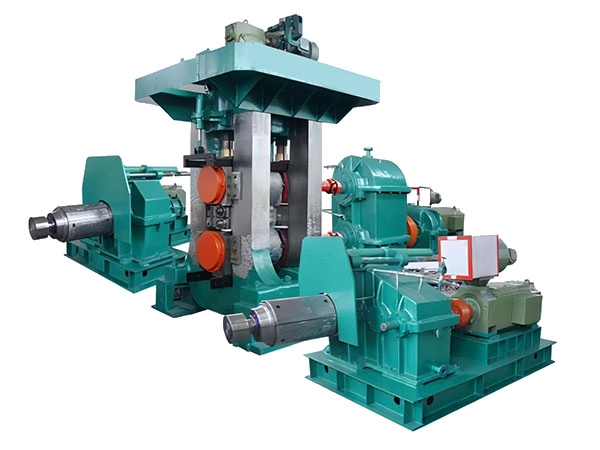
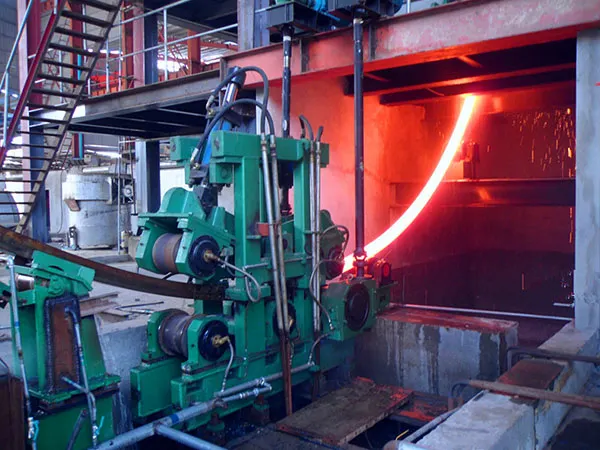
In the demanding environment of a rolling mill, rolls are subjected to extreme pressures, high temperatures, and constant friction. Over time, these conditions lead to wear, surface fatigue, and reduced dimensional accuracy—directly impacting production quality and costs. However, a strategic lubrication program can dramatically slow this degradation. Industry data consistently shows that optimized lubrication practices can extend roll life by 30% or more, translating into significant savings in roll replacement, downtime, and maintenance. This article outlines the core principles and actionable steps to achieve such gains, drawing on proven techniques and insights from experienced professionals, including those at gyssljx.
Understanding the Fundamentals of Roll Wear and Lubrication
Before implementing best practices, it's essential to grasp the mechanisms of roll wear and how lubrication counteracts them. Roll wear primarily occurs through abrasive, adhesive, and fatigue mechanisms. During rolling, the interface between the roll and the workpiece experiences high contact stresses. Inadequate lubrication leads to direct metal-to-metal contact, accelerating abrasion and causing micro-welding (adhesive wear). Additionally, thermal cycling from periodic contact with hot material induces surface fatigue, resulting in spalling and cracking.
Effective lubrication serves several critical functions:
- Separation: Creates a thin film that physically separates the roll surface from the workpiece, minimizing direct contact and friction.
- Cooling: Carries heat away from the roll surface, reducing thermal stress and fatigue.
- Wear Protection: Provides anti-wear additives that form a protective boundary layer under high pressure.
- Contaminant Removal: Flushes away debris, scale, and wear particles that can act as abrasives.
The choice of lubricant and the delivery method must align with the specific rolling conditions—material being rolled, roll material, speed, reduction ratio, and temperature. A one-size-fits-all approach often leads to suboptimal performance.
Key Best Practices for Rolling Mill Lubrication
Selecting the Right Lubricant
The lubricant is the foundation of any effective program. For rolling mills, common choices include synthetic oils, water-based emulsions, and greases. Synthetic oils offer superior film strength and thermal stability for high-speed, high-load applications. Water-based emulsions provide excellent cooling but may require careful concentration control to maintain lubricity. Greases are used for bearings and areas where retention is critical.
Key selection criteria:
- Viscosity: Must be high enough to maintain a load-bearing film at operating temperatures, yet low enough for proper flow and cooling.
- Additive package: Anti-wear (AW), extreme-pressure (EP), and rust inhibitors are crucial. EP additives are particularly important in high-reduction mills.
- Compatibility: With seal materials, roll coatings (if any), and downstream processes like annealing or coating.
- Water separation: For emulsions, stable separation characteristics ensure consistent performance.
Optimizing Lubricant Delivery and Application
Even the best lubricant fails if not applied correctly. The goal is to ensure a uniform, continuous film at the roll/workpiece interface. Common methods include:
- Spray systems: Atomized lubricant directed at the roll surface. Nozzle placement, angle, and pressure must be calibrated to avoid overspray or starvation.
- Direct roll application via wiper bars or felt pads: Suitable for low-speed mills or as a supplementary method.
- Recirculating systems: For oil-based lubrication in bearings, maintaining proper flow rate and filtration is essential.
Regularly monitor and adjust flow rates based on roll speed, load, and temperature. Many modern mills use automated systems with sensors to maintain optimal delivery. gyssljx recommends conducting a lubrication audit to identify inefficiencies and customize the application strategy for each stand.
Implementing a Proactive Monitoring and Maintenance Program
Lubrication is not a set-and-forget activity. Proactive monitoring ensures that the lubricant continues to protect the rolls over time. Key practices include:
- Oil analysis: Periodic sampling to check viscosity, contamination, additive depletion, and wear metals. Trend analysis can predict failure before it occurs.
- Filter maintenance: Replace or clean filters in recirculation systems to prevent particle contamination from accelerating wear.
- Tank and reservoir cleaning: Remove sludge and water accumulation that degrade lubricant quality.
- Temperature control: Monitor and maintain lubricant temperature within the specified range; excessive heat accelerates oxidation.
Establish a preventive maintenance schedule that includes lubrication system inspection, nozzle cleaning, and line checks. Using real-time data (e.g., from vibration sensors and thermography) can further optimize interventions.
Case Study: Achieving 30% Roll Life Extension with Structured Lubrication
One practical example comes from a mid-sized hot strip mill that collaborated with gyssljx to overhaul its lubrication approach. The mill operated with a generic water-based emulsion and inconsistent spray coverage. Rolls were being replaced every 4,000 tons due to wear and spalling.
The intervention included:
- Switching to a high-performance synthetic emulsion tailored to the mill's specific roll grades.
- Redesigning the spray bar configuration to ensure uniform coverage across the roll face.
- Installing automated flow control valves linked to roll speed and load sensors.
- Implementing a systematic oil analysis program every 30 days.
Within six months, roll wear was reduced markedly. By the end of the first year, the average roll life had increased to 5,400 tons—a 35% improvement. Downtime for roll changes decreased, and surface quality of the final product improved. The investment in new lubricant and control systems paid for itself in under 10 months.
Frequently Asked Questions
How often should lubricant analysis be performed?
For critical mill stands, monthly analysis is recommended. For less demanding applications, quarterly analysis may suffice. The key is to establish a baseline and monitor for trends.
Can I switch from a water-based emulsion to a synthetic oil?
Yes, but a careful transition plan is needed. The system must be thoroughly cleaned to avoid incompatibility. Synthetic oils typically offer better film strength but may require modifications to seals and piping. Consult with lubricant experts (e.g., the team at gyssljx) to evaluate the trade-offs for your specific mill.
What is the most common mistake in roll lubrication?
Using a lubricant that is too low in viscosity to maintain a film under load, or applying it unevenly. Many mills under-lubricate to save costs, but this dramatically accelerates wear and increases total operating expenses.
In summary, extending roll life by 30% is not a theoretical promise—it is an achievable outcome through disciplined lubrication management. By selecting the right lubricant, optimizing delivery, and maintaining proactive monitoring, rolling mills can significantly reduce wear, improve product quality, and lower costs. Companies like gyssljx provide both expertise and tailored solutions to help operators implement these best practices effectively. The investment in lubrication excellence yields returns far beyond the initial outlay.