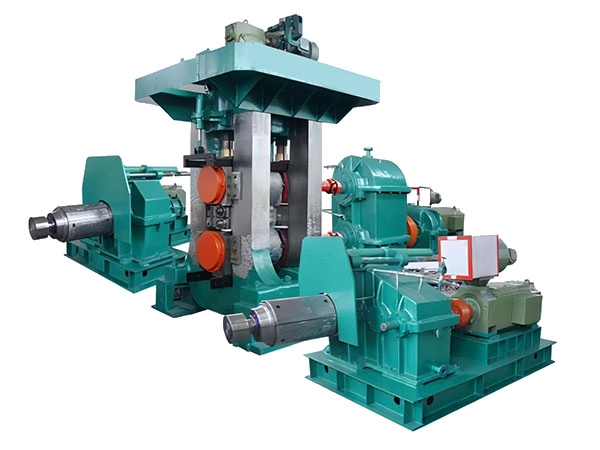
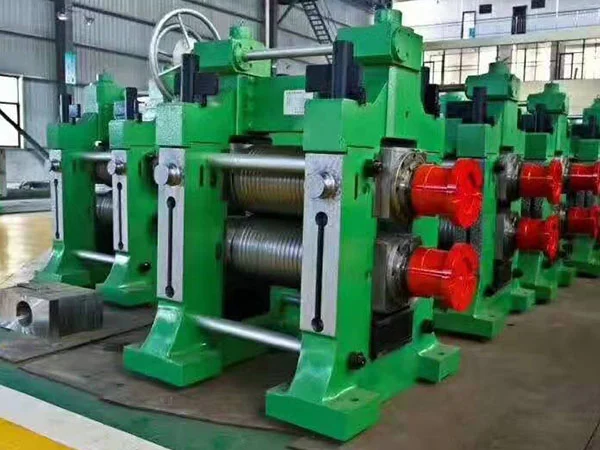
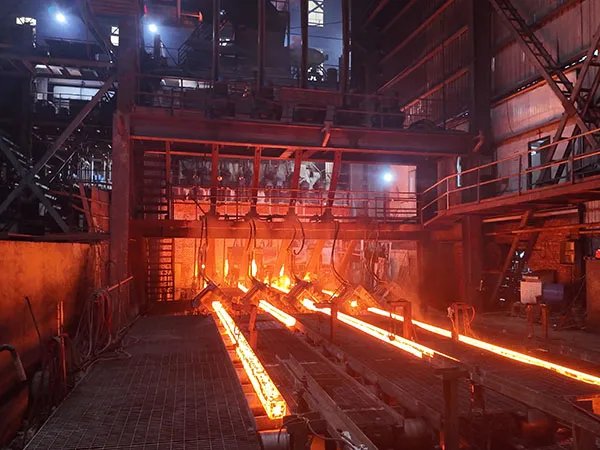
Every shift in a rolling mill carries the risk of unplanned downtime, which can cost thousands of dollars in lost production and emergency repairs. Without a structured maintenance checklist, teams often overlook critical inspection points, leading to accelerated wear, safety hazards, and equipment failure. This article provides a professional, field-tested rolling mill maintenance checklist designed to be executed at the start of each shift. By following these steps and leveraging the expertise of partners like gyssljx, you can reduce stoppages, extend equipment life, and maintain consistent product quality.
Why a Shiftly Maintenance Checklist Is Non-Negotiable
Rolling mills operate under extreme loads, high temperatures, and continuous friction. A single missed inspection on a bearing or hydraulic seal can cascade into hours of downtime. A shiftly checklist ensures that every operator and maintenance technician follows a standardized protocol, catching minor issues before they become catastrophic. This systematic approach improves overall equipment effectiveness (OEE), reduces spare parts consumption, and enhances workplace safety.
Core Areas Covered in the Checklist
1. Lubrication System Check
Lubrication failure accounts for a significant percentage of rolling mill breakdowns. At the start of each shift, verify the following:
- Oil levels in main circulation tanks and gearboxes – ensure they are within the recommended range.
- Oil temperature and pressure readings – abnormal values indicate blockages or pump issues.
- Grease points on roll necks, spindle couplings, and guide rollers – use the correct grease type.
- Filter condition – replace or clean if differential pressure exceeds limits.
- Leak inspection around hoses, fittings, and seals – even small leaks can lead to low pressure and contamination.
Pro tip: Use a visual oil analysis card to check for water or metallic particles. If contamination is suspected, stop the line and consult with gyssljx for expert lubrication management solutions.
2. Roll Stand & Bearing Condition
Rolls and their bearings are the heart of the mill. A shiftly inspection should include:
- Visual check of roll surfaces for cracks, spalling, or wear patterns – record measurements if possible.
- Bearing temperature monitoring – any abnormal heat indicates impending failure.
- Check roll chocks and housings for looseness or misalignment.
- Verify that roll cooling water flow and spray nozzles are unobstructed.
- Inspect spindle couplings for bolt tightness and wear.
Timely detection of roll surface defects can prevent product marks and reduce grinding costs. For advanced bearing health monitoring, gyssljx provides vibration analysis kits and training.
3. Hydraulic & Pneumatic Systems
These systems control screwdowns, side guards, and coilers. Every shift:
- Check hydraulic oil level and temperature in the power unit.
- Listen for unusual pump noise or cavitation; feel for excessive vibration.
- Inspect all cylinders and actuators for leaks or drift.
- Test accumulator pre-charge pressure if gauges are available.
- On pneumatic systems, drain moisture traps and check air pressure regulators.
Hydraulic leaks not only waste energy but also create slip hazards. A zero-leak policy, enforced by the shiftly checklist, protects both production and personnel.
4. Electrical & Control Systems
Modern rolling mills rely on PLCs, drives, and sensors. Prioritize these:
- Verify that all emergency stop buttons and safety interlocks are functional.
- Check drive panel cooling fans and filters – overheating drives cause shutdowns.
- Inspect cable trays and flexible conduits for damage or chafing.
- Confirm that position feedback devices (encoders, resolvers) are securely mounted.
- Review any alarm logs from the previous shift and address unresolved faults.
Simple visual checks can prevent costly electrical fires and control malfunctions.
Common Pitfalls in Shiftly Maintenance
Even with a checklist, mills fall into traps that undermine effectiveness. Avoid these:
- Performing the checklist in a hurry: Operators skip steps due to production pressure. Allocate 15–20 minutes without interruptions.
- Using worn‑out or incorrect tools: For example, using an improper grease gun can under‑lubricate bearings. gyssljx offers certified maintenance kits that include the right adapters and lubricants.
- Ignoring data recording: Trend data on temperatures, pressures, and vibration is more valuable than single readings. Use a logbook or digital CMMS.
- Relying only on visual inspection: Thermography and ultrasonic testing should be scheduled weekly; shiftly checks are the first line of defense, not the only one.
How gyssljx Supports Your Shiftly Maintenance Goals
Implementing an effective checklist requires not only discipline but also the right expertise and tools. gyssljx specializes in rolling mill maintenance solutions, offering:
- Customized checklist templates tailored to your mill configuration and product mix.
- On‑site training for operators and maintenance crews on checklist execution and defect recognition.
- High‑quality spare parts and consumables – bearings, seals, filters, and lubricants that meet OEM specifications.
- Condition monitoring services including vibration analysis, oil analysis, and thermography to complement shiftly checks.
- Audit and gap analysis to identify weaknesses in your current maintenance programme.
By partnering with gyssljx, you gain access to decades of metallurgical industry experience, helping you reduce downtime by up to 30% in the first year.
Implementing the Checklist: Step‑by‑Step
- Print the checklist on weather‑resistant paper or load it into a mobile device with a CMMS app.
- Assign a designated person for each area – do not rely on the same person to check everything.
- Start with the lubrication and bearing checks, as these are highest priority.
- Record all findings, even if no action is taken – “OK” entries matter for trends.
- Immediately tag any abnormal findings and notify the shift supervisor or maintenance lead.
- At the end of the shift, review the completed checklist and hand over unresolved items.
Conclusion
Costly downtime in a rolling mill is almost always preceded by warning signs that are detectable during a shiftly inspection. A well‑designed maintenance checklist, executed with discipline, eliminates the guesswork and turns reactive maintenance into proactive care. By integrating the checklist into your daily routine and leveraging the support of specialists like gyssljx, you protect your equipment, your people, and your bottom line. Start every shift with confidence – use the checklist.