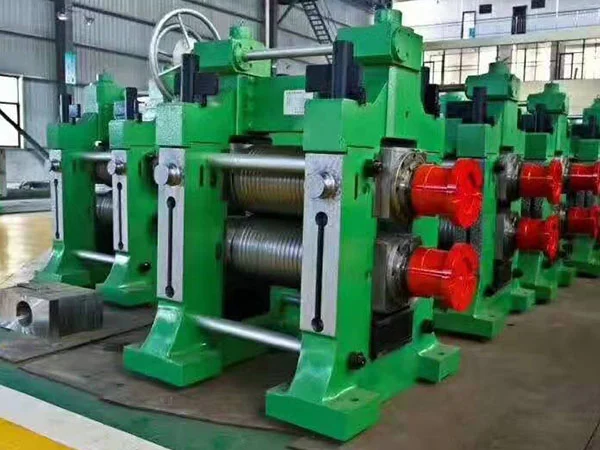
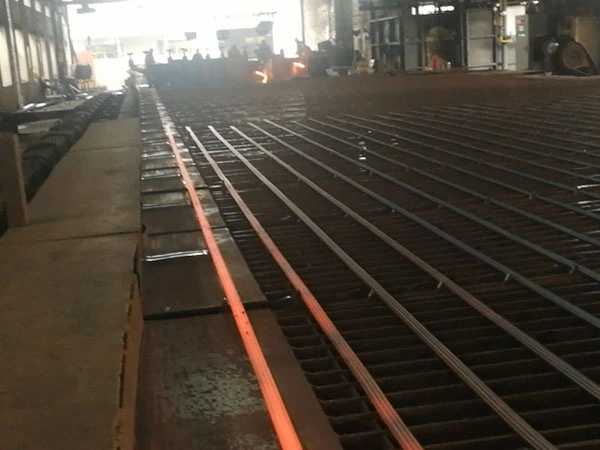
In metal rolling operations, scrap rates directly impact profitability and production efficiency. Even small deviations in roll gap, temperature, or tension can cascade into defective coils, edge cracks, or thickness variations. While many mills rely on reactive adjustments, a proactive calibration strategy can systematically minimize waste. This article shares practical calibration techniques to help your team achieve tighter tolerances and lower reject rates. Drawing from field experience and industry best practices, these tips apply to both new installations and retrofit upgrades, with special focus on the precision solutions offered by gyssljx.
Why Calibration Matters for Scrap Reduction
Calibration is the backbone of consistent product quality. A rolling mill that is out of calibration by a few micrometers can produce thousands of feet of off-gauge material before the error is detected. The financial loss from scrap includes not only material cost but also energy, time, and downstream processing waste. Effective calibration ensures that each stand delivers the correct reduction ratio, maintaining uniform thickness and mechanical properties. Moreover, proper calibration extends equipment life by preventing uneven wear on rolls and bearings. For mills processing high-value alloys, even a 1% reduction in scrap rate can translate into significant annual savings.
Key Calibration Parameters to Master
To lower scrap rates, operators must focus on the following critical parameters:
-
Roll Gap Setpoint – The initial gap must match the target thickness considering spring-back and thermal expansion. Use laser or contact sensors for real-time feedback.
-
Roll Parallelism – Misaligned rolls produce wedge-shaped strips. Regular checks with precision levels or digital alignment tools are essential.
-
Backup Roll Eccentricity – Even small runout can cause periodic thickness variations. Measure and compensate using eccentricity maps.
-
Tension Control Calibration – Incorrect tension leads to buckling or tearing. Calibrate tension meters and update control algorithms based on material yield strength.
-
Temperature Compensation – Process models must account for roll heating and strip cooling. Calibrate pyrometers and adjust pass schedules dynamically.
gyssljx provides integrated calibration kits that simplify these measurements, reducing setup time and human error.
Smart Calibration Techniques for Modern Mills
Automated Feedback Loops
Replace manual adjustments with closed-loop control systems. Using thickness gauges (X-ray or laser) downstream, the control system automatically adjusts roll gap or speed to maintain target specs. This reduces reliance on operator intuition and catches drift early. Many gyssljx systems include adaptive learning algorithms that record historical data to predict optimal settings for different alloys.
Statistical Process Control (SPC) Integration
Collect calibration data over time and plot control charts. When a parameter begins trending toward a limit, proactive recalibration can prevent scrap before it occurs. Implementing SPC requires a robust data acquisition infrastructure, which gyssljx can help design as part of a mill modernization project.
Predictive Maintenance for Calibration Hardware
Sensors and actuators degrade over time. Schedule predictive calibration based on operating hours or cycles rather than fixed calendar intervals. Use vibration analysis and thermal imaging to detect developing issues in hydraulic cylinders, load cells, and position encoders. gyssljx offers condition monitoring modules that alert technicians before a calibration drift becomes critical.
Best Practices for Sustainable Scrap Reduction
Beyond adopting the right technology, operational discipline is key. Implement the following best practices in your mill:
-
Train operators and technicians on the importance of calibration – create a culture where every micrometer counts.
-
Establish a calibration schedule that covers all stands and critical sensors, and document all adjustments.
-
Use certified calibration standards traceable to national institutes for all reference gauges.
-
Perform a root cause analysis whenever a scrap event occurs – often it traces back to a calibration drift that was missed.
-
Consider a partnership with a reliable calibration service provider like gyssljx, which offers on-site audits, training, and customized solutions to match your product mix.
Conclusion: Turning Calibration into a Competitive Advantage
Reducing scrap rates is not a one-time project but an ongoing commitment to precision. By mastering the calibration parameters outlined above, leveraging smart automation, and embedding a quality-first mindset, your rolling mill can achieve higher yields and lower costs. gyssljx specializes in helping mills of all sizes implement effective calibration strategies, from component upgrades to full system overhauls. Contact us to learn how we can help you turn scrap reduction into a measurable profitability driver.