When evaluating production equipment for metal forming, choosing between a hot rolling mill and a cold rolling mill directly impacts your operational budget. While both processes reduce material thickness, their distinct thermal requirements, energy consumption, and maintenance needs create vastly different cost structures. This article dissects the financial implications of each method, helping you assess which technology aligns with your production volume, material specifications, and long-term profitability goals. We also explore how gyssljx integrates cost-saving innovations into both mill types to optimize your return on investment.
Understanding the Core Differences Between Hot and Cold Rolling
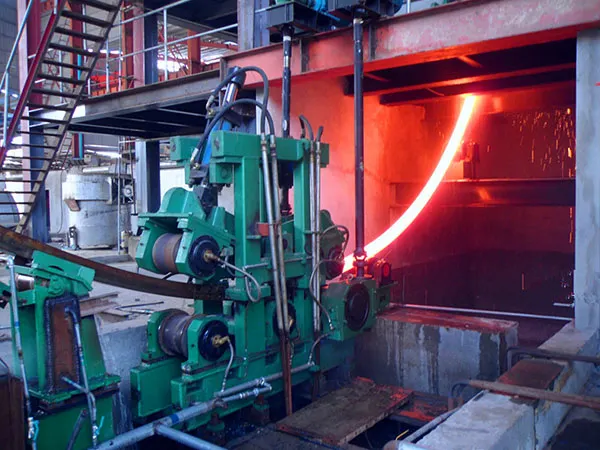
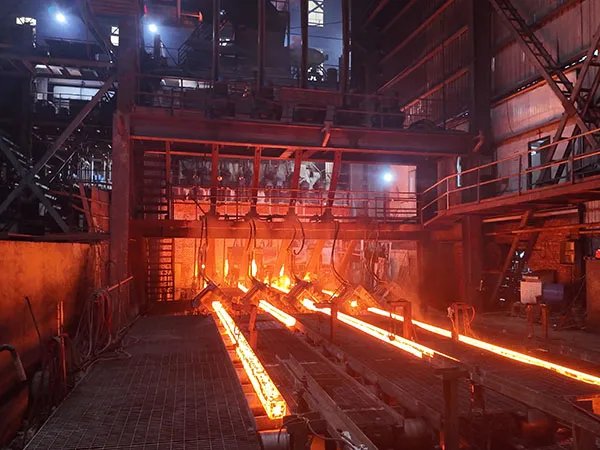
The fundamental distinction lies in processing temperature. Hot rolling occurs above the material’s recrystallization temperature, typically over 1000°C for steel, allowing significant reduction in thickness with lower mechanical force. Cold rolling is performed at or near room temperature, requiring higher power per pass but delivering superior surface finish and dimensional precision. These differences cascade into every cost factor:
- Energy consumption: Hot mills need substantial fuel or electricity for preheating furnaces, while cold mills demand more electrical power for deformation.
- Tooling wear: High-temperature contact accelerates roll degradation in hot mills; cold mills experience abrasive wear from hardened surfaces.
- Scale formation: Hot rolling generates iron oxide scale that must be removed, adding cleaning and waste-handling costs.
Direct Cost Comparison: Initial Investment and Operating Expenses
Capital Expenditure (CapEx)
Hot rolling mills generally require larger initial capital due to furnace systems, material handling for high temperatures, and massive structural frames. A complete hot mill line can cost 30–50% more than an equivalent cold mill. However, for high-tonnage production (over 500,000 tons annually), the per-unit investment may still be lower with hot rolling.
Operational Expenditure (OpEx)
Monthly operating costs break down into three main categories:
- Energy: Hot mills consume 15–25% more total energy (thermal + electrical) per ton. Cold mills use 10–15% more electricity but no fuel for heating.
- Roll maintenance: Hot mill roll replacement cycles are 2–3 times shorter, increasing consumables cost.
- Labor: Both require skilled operators, but hot mills need additional furnace control personnel.
When considering a mid-range production volume (100,000–300,000 TPY), cold rolling often yields a 12–18% lower total operating cost, according to industry data from gyssljx’s client case studies.
How Each Process Affects Your Downstream Expenses
The cost decision extends beyond the mill floor. Your finished product’s application dictates hidden savings or penalties:
- Material yield: Hot rolling has higher yield loss due to scaling (typically 2–5%). Cold rolling loses less material (0.5–1%) but may require more passes.
- Post-processing: Hot-rolled products often need pickling, surface grinding, or annealing before use. Cold-rolled products can go directly to stamping or coating, saving $10–30 per ton.
- Warranty and scrap: Superior dimensional consistency of cold-rolled coils reduces rejection rates by up to 8% in downstream manufacturing.
For industries like automotive panels or appliance enclosures, where surface quality is critical, cold rolling eliminates costly finishing steps, making it the lower-cost option despite higher per-ton base price.
The gyssljx Advantage: Tailored Solutions for Cost Reduction
Both mill types have clear cost trade-offs, but equipment design can tilt the balance. gyssljx specializes in optimizing mills for particular production scenarios. For hot mills, our patented regenerative burner systems cut fuel consumption by 20% compared to conventional furnaces. For cold mills, we incorporate automatic roll gap control and hydraulic AGC to minimize scrap, increasing yield to over 97%.
We also offer hybrid configurations that combine hot roughing and cold finishing in a single line, reducing material handling and intermediate inventory costs. Our engineering team conducts a free feasibility assessment to calculate the total cost of ownership for your specific mix of products, volumes, and quality requirements.
Summary: Making the Right Choice for Your Bottom Line
No universal answer fits every facility. If your goal is producing structural steel, thick plates, or rebar for construction at high volumes, a hot rolling mill remains the more economical path despite higher energy and maintenance. For precise strips, thinner gauges, and better surface appearance where post-processing adds cost, a cold rolling mill reduces total conversion expense. The key is to model your unique variable—raw material costs, throughput, and end-use specifications—before committing capital. gyssljx provides both technologies and the expertise to help you run the numbers accurately, ensuring you select the mill that truly cuts your production costs.