The global steel industry is undergoing a profound transformation driven by stricter environmental regulations, rising energy costs, and increasing demand for sustainable infrastructure materials. Among the most promising innovations supporting this shift is induction heating technology, which is becoming a core component in modern green rebar production lines. By replacing traditional fossil-fuel-based heating methods with highly efficient electromagnetic energy transfer, induction systems are reshaping how reinforcing steel bars are manufactured, treated, and optimized for construction use.
This article explores how induction heating technology is applied in green rebar production lines, why it is considered a critical enabler of low-carbon steel manufacturing, and what advantages it brings to production efficiency, product quality, and long-term operational sustainability.
The Role of Induction Heating in Modern Rebar Manufacturing
Induction heating works by generating an alternating electromagnetic field that induces eddy currents within the steel bar. These currents produce heat directly inside the material without requiring direct flame contact or combustion. In a green rebar production line, this method is typically used for billet heating, thermomechanical treatment, or controlled reheating processes before rolling or quenching.
Unlike conventional gas-fired furnaces, induction heating systems provide precise, localized, and rapid temperature control. This capability allows steel producers to achieve consistent metallurgical properties while significantly reducing energy waste and carbon emissions.
From an engineering perspective, induction heating introduces a more controllable thermal profile, which directly impacts grain structure refinement, tensile strength, and ductility of rebar products. These characteristics are essential for modern construction projects that demand higher safety margins and longer service life.
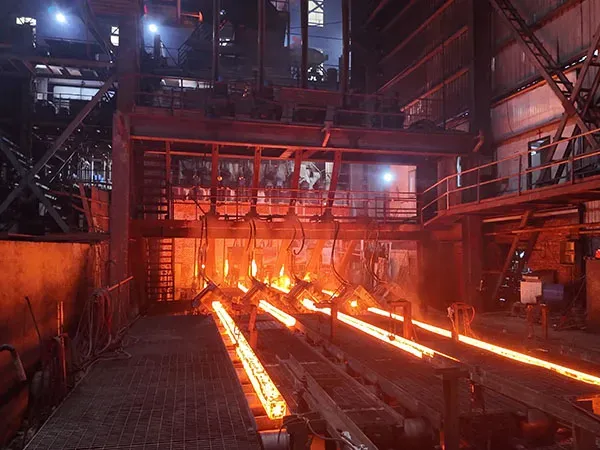
Why Green Rebar Production Lines Require Energy-Efficient Heating Solutions
The construction industry accounts for a significant portion of global carbon emissions, and reinforcing steel production is one of the most energy-intensive segments within the supply chain. Traditional reheating furnaces rely heavily on natural gas or coal, which not only increases operational costs but also contributes to greenhouse gas emissions.
Green rebar production lines aim to address these challenges by integrating low-emission technologies throughout the manufacturing process. Induction heating plays a central role in this transition because it directly improves energy efficiency and reduces thermal losses.
In practical terms, a well-designed induction heating system can achieve energy efficiency rates significantly higher than conventional furnace systems. This improvement translates into lower fuel consumption, reduced CO₂ emissions, and improved compliance with international environmental standards such as ISO 50001 and various regional carbon reduction policies.
Key Advantages of Induction Heating Technology in Rebar Production
1. Superior Energy Efficiency and Lower Operating Costs
Induction heating transfers energy directly into the steel material, minimizing heat loss to the surrounding environment. This direct energy transfer mechanism significantly improves overall system efficiency. Manufacturers operating green rebar production lines benefit from reduced energy consumption per ton of steel processed, which directly lowers operational expenses over time.
Additionally, induction systems do not require long preheating cycles. This reduces idle energy usage and improves production responsiveness, especially in facilities that operate under variable demand conditions.
2. Precise Temperature Control for Consistent Product Quality
Temperature uniformity is critical in rebar production because it directly influences mechanical properties such as yield strength and elongation. Induction heating systems allow operators to control heating parameters with high precision, ensuring that each bar receives a consistent thermal treatment.
This level of control minimizes the risk of overheating or underheating, which can lead to structural inconsistencies. As a result, steel producers can meet stricter quality standards required for high-rise buildings, bridges, tunnels, and seismic-resistant structures.
3. Reduced Carbon Emissions and Environmental Impact
One of the most important benefits of induction heating technology is its contribution to carbon reduction. Since the system does not rely on direct combustion, it eliminates onsite fossil fuel burning during the heating phase. When powered by renewable or low-carbon electricity sources, the environmental footprint of the entire rebar production process is significantly reduced.
This aligns closely with the global trend toward green steel production and supports manufacturers in meeting sustainability targets and ESG reporting requirements.
4. Compact System Design and Flexible Integration
Induction heating equipment is generally more compact than traditional furnace systems. This allows for easier integration into existing production lines or new greenfield projects with limited space availability.
In addition, modern induction systems can be seamlessly integrated with automated control systems, allowing real-time monitoring of temperature, energy consumption, and production speed. This enhances operational transparency and supports predictive maintenance strategies.
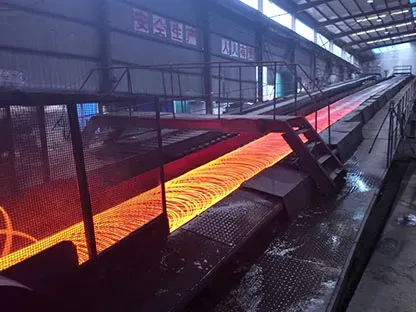
Integration of Induction Heating into Green Rebar Production Lines
A typical green rebar production line consists of multiple stages, including billet preparation, heating, rolling, cooling, and finishing. Induction heating is most commonly applied in the billet heating or re-heating stage before rolling.
In a fully optimized system, induction heating units are connected to digital control platforms that synchronize heating output with rolling speed and material flow. This ensures that the steel maintains optimal temperature conditions throughout the process, preventing quality degradation.
Some advanced production lines also combine induction heating with controlled cooling technologies such as water quenching systems. This integration enables thermomechanical controlled processing (TMCP), which enhances the mechanical strength of rebar while reducing alloying requirements.
Operational Considerations and Engineering Challenges
While induction heating offers numerous advantages, successful implementation requires careful engineering and system design. One of the primary considerations is power supply stability, as induction systems demand consistent electrical input to maintain precise thermal control.
Another important factor is coil design and material compatibility. The geometry of the induction coil must be optimized based on bar diameter, production speed, and target temperature range. Improper design can lead to uneven heating or reduced system efficiency.
Maintenance practices also play a crucial role in long-term performance. Although induction systems generally require less mechanical maintenance than combustion furnaces, periodic inspection of power modules, cooling systems, and coil integrity is essential to ensure stable operation.
Economic Benefits and Return on Investment
From a financial perspective, the adoption of induction heating in green rebar production lines can deliver significant long-term returns. Although initial investment costs may be higher compared to conventional heating systems, the reduction in energy consumption, maintenance expenses, and production downtime often leads to a shorter payback period.
Many manufacturers also benefit from improved market competitiveness, as demand for low-carbon construction materials continues to grow globally. Projects certified under green building standards increasingly prefer suppliers that can demonstrate environmentally responsible production processes.
Future Trends in Induction Heating for Steel Manufacturing
The future of induction heating in rebar production is closely linked to digitalization and renewable energy integration. Artificial intelligence and machine learning are expected to play a larger role in optimizing heating curves, predicting equipment wear, and improving energy efficiency.
At the same time, the increasing availability of renewable electricity will further enhance the environmental advantages of induction-based systems. As steel manufacturers continue to decarbonize their operations, induction heating is likely to become a standard feature in next-generation green steel plants.
Conclusion
Induction heating technology represents a fundamental shift in how reinforcing steel is produced in modern industrial environments. By enabling precise thermal control, reducing energy consumption, and supporting low-carbon manufacturing goals, it has become a key pillar in the development of green rebar production lines.
For steel manufacturers aiming to improve competitiveness while meeting environmental responsibilities, the integration of induction heating systems is no longer just an option but a strategic necessity. As global demand for sustainable infrastructure continues to rise, this technology will play an increasingly important role in shaping the future of steel production.