The global steel industry is experiencing continuous pressure to reduce production costs while improving energy efficiency and environmental performance. Among all steel processing equipment, the rebar rolling mill plays a central role in determining both production efficiency and long-term operational profitability. For investors, plant managers, and engineering procurement teams, understanding the real cost structure of an energy-efficient rebar rolling mill has become essential for making informed decisions in 2026 and beyond.
This article provides a comprehensive cost analysis of energy-efficient rebar rolling mills, covering capital investment, operational expenses, energy-saving technologies, return on investment, and long-term value creation. It is designed to help decision-makers evaluate not only the purchase price but also the total lifecycle cost of ownership.
Understanding the Modern Rebar Rolling Mill System
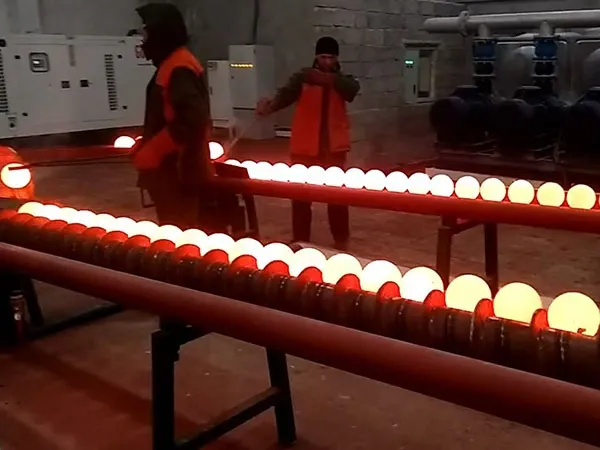
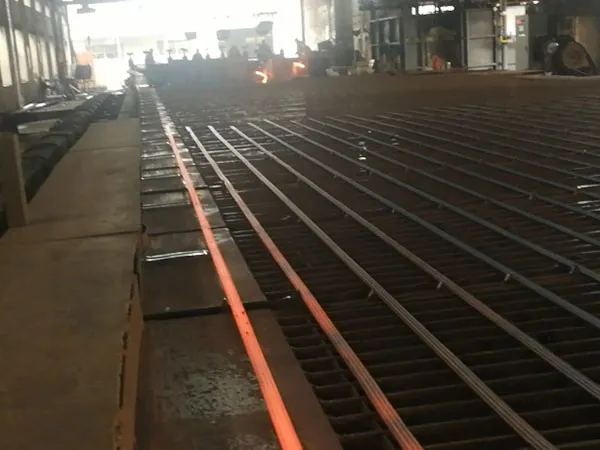
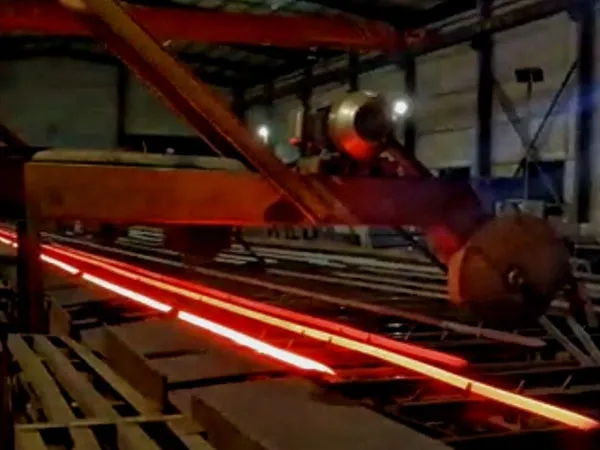
A rebar rolling mill is an industrial production line that transforms steel billets into reinforcing bars used in construction. Modern systems typically include reheating furnaces, roughing mills, intermediate stands, finishing stands, cooling beds, cutting systems, and automated control units.
In energy-efficient configurations, every subsystem is optimized to reduce power consumption, minimize heat loss, and improve material yield. Advanced automation systems and variable frequency drives (VFDs) are now standard in high-performance mills, enabling precise control over rolling speed and torque.
The cost structure of such a system cannot be evaluated by equipment price alone, because energy consumption and maintenance expenses often exceed initial capital costs over the lifecycle of the plant.
Capital Investment Breakdown (CAPEX)
The initial investment in an energy-efficient rebar rolling mill depends on production capacity, automation level, and equipment configuration. However, most projects fall into several key cost categories.
1. Core Rolling Equipment
The rolling stands, gearboxes, motors, and guiding systems represent a significant portion of total investment. Energy-efficient mills typically use high-torque, low-energy consumption motors combined with optimized roll pass design. Although these systems require higher upfront costs, they significantly reduce electricity consumption during operation.
2. Reheating Furnace System
The reheating furnace is one of the largest energy consumers in a rolling mill. Modern regenerative or walking beam furnaces with heat recovery systems increase initial investment but reduce fuel consumption dramatically. This component often determines the long-term competitiveness of the entire production line.
3. Automation and Control Systems
Advanced PLC control systems, industrial IoT monitoring, and intelligent temperature regulation systems contribute to higher initial costs. However, these technologies improve production stability, reduce human error, and enable predictive maintenance strategies.
4. Auxiliary Equipment and Infrastructure
Cooling beds, shear machines, water treatment systems, and electrical infrastructure also contribute to CAPEX. Energy-efficient designs often integrate closed-loop cooling systems and optimized hydraulic units to reduce waste and improve efficiency.
Operational Costs (OPEX) and Energy Consumption
While capital investment is important, operational cost determines long-term profitability. In a traditional rebar rolling mill, electricity and fuel consumption can account for more than 60% of total production cost.
Energy Consumption in Rolling Process
The rolling process requires continuous mechanical force, and energy demand increases significantly during high-capacity production. Energy-efficient mills reduce this consumption through several methods:
High-efficiency motors with reduced idle losses
Regenerative braking systems that recover kinetic energy
Optimized rolling schedules to minimize downtime
Reduced friction design in bearings and guides
Furnace Fuel Efficiency
Fuel or electricity used in reheating billets is one of the most critical cost factors. Modern furnace systems integrate waste heat recovery and advanced insulation materials to reduce heat loss. These improvements can lower fuel consumption by 10% to 30% depending on plant conditions.
Maintenance and Downtime Costs
Energy-efficient equipment is often designed with modular components and predictive diagnostics. This reduces unplanned shutdowns and maintenance costs. Plants that adopt smart monitoring systems typically experience longer equipment lifespan and lower spare part consumption.
Key Energy-Saving Technologies in Modern Mills
The cost efficiency of a rebar rolling mill is directly linked to the technologies integrated into its design. Several innovations have reshaped the industry in recent years.
Variable Frequency Drives (VFD)
VFD systems allow motors to operate only at required load levels, reducing unnecessary energy consumption during low-demand periods. This technology alone can reduce electricity usage by 15% to 25%.
Waste Heat Recovery Systems
Heat recovery systems capture energy from furnace exhaust gases and reuse it in preheating processes. This reduces fuel demand and significantly improves thermal efficiency.
Automation and AI-Based Process Optimization
Modern rolling mills use AI-driven control systems to optimize rolling speed, temperature distribution, and material flow. These systems reduce waste and improve yield consistency.
High-Efficiency Mechanical Design
Improved gearbox design, low-resistance bearings, and optimized lubrication systems all contribute to lower mechanical losses during operation.
Return on Investment (ROI) Analysis
Investors evaluating an energy-efficient rebar rolling mill must consider both direct savings and indirect financial benefits.
A typical ROI calculation includes:
Reduced electricity consumption
Lower fuel usage in reheating furnaces
Decreased maintenance costs
Higher production yield due to fewer defects
Reduced downtime and operational interruptions
In many modern installations, the additional upfront cost of energy-efficient systems is recovered within 2 to 5 years depending on production scale and energy prices. After this payback period, the plant continues to generate significant cost advantages over conventional systems.
Factors Influencing Total Project Cost
Several external and internal factors affect the final investment required for a rebar rolling mill project:
Production Capacity
Higher capacity mills require larger equipment, stronger motors, and more complex automation systems, increasing both CAPEX and OPEX.
Raw Material Quality
The quality and consistency of steel billets influence energy consumption and wear rates of equipment.
Local Energy Prices
Electricity and fuel costs vary significantly by region, directly affecting operational profitability.
Automation Level
Fully automated smart mills require higher initial investment but reduce labor costs and improve long-term efficiency.
Environmental Regulations
Stricter emissions and energy efficiency regulations may require additional investment in filtration systems and heat recovery technologies.
Long-Term Value and Lifecycle Cost Perspective
A professional cost analysis must extend beyond initial investment and consider the full lifecycle cost of the equipment. Energy-efficient rebar rolling mills consistently outperform conventional systems when evaluated over 10 to 20 years of operation.
Lifecycle cost includes:
Initial purchase and installation
Energy consumption over time
Maintenance and spare parts
Production downtime losses
Efficiency degradation over years
When all these factors are included, energy-efficient systems demonstrate a significantly lower total cost of ownership, even if the upfront investment appears higher.
Industry Outlook and Strategic Considerations
The steel industry is moving toward greener and more intelligent production systems. Energy-efficient rebar rolling mills are no longer optional upgrades but strategic investments for companies aiming to remain competitive.
Manufacturers that adopt modern energy-saving technologies benefit from lower production costs, improved product consistency, and stronger compliance with global environmental standards. At the same time, customers in construction and infrastructure sectors increasingly prefer suppliers with sustainable production capabilities.
Conclusion
The cost analysis of an energy-efficient rebar rolling mill reveals that true investment value cannot be judged by equipment price alone. A complete evaluation must include energy consumption, automation benefits, maintenance efficiency, and lifecycle performance.
While the initial capital investment may be higher compared to traditional systems, the long-term operational savings and productivity improvements make energy-efficient rolling mills a financially sound and strategically necessary choice for modern steel producers.
Companies that prioritize energy optimization today will achieve stronger cost competitiveness, improved environmental compliance, and higher return on investment in the long run.