High-speed wire rod mills are the backbone of modern steel production, enabling continuous processing of steel into coils, rods, and wire with impressive efficiency. However, one persistent challenge in these facilities is vibration, which can compromise product quality, reduce machine lifespan, and increase maintenance costs. Understanding how to troubleshoot vibration issues in high-speed wire rod mills is essential for plant managers, maintenance engineers, and operations teams to ensure safe and efficient operation.
Understanding the Causes of Vibration in Wire Rod Mills
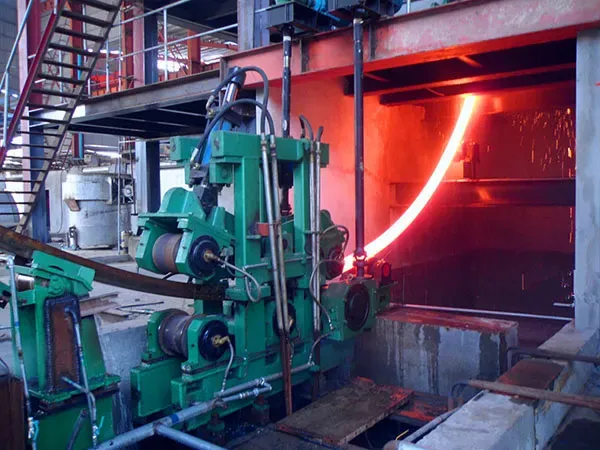
Vibration in high-speed wire rod mills can originate from several sources, and identifying the root cause is the first step toward effective troubleshooting. Common causes include:
Rotational Imbalances: Unbalanced rolls, gears, or motors can generate cyclic vibrations that propagate through the entire mill line. Even minor mass imbalances can amplify at high rotational speeds, leading to severe operational issues.
Bearing Wear and Misalignment: Bearings in wire rod mills support high-speed rotation and absorb radial and axial loads. Over time, wear, improper lubrication, or misalignment can introduce vibration patterns detectable in both amplitude and frequency.
Foundation and Structural Issues: Wire rod mills involve heavy machinery mounted on reinforced foundations. Any subsidence, uneven support, or structural weakness can result in resonance, amplifying even minor operational vibrations.
Material Flow Variations: Inconsistent billet or rod feeding can create irregular torque loads, causing intermittent vibration. Differences in steel composition or temperature during rolling may also exacerbate these issues.
Mechanical Looseness: Loose bolts, worn couplings, or inadequate gear meshing can generate irregular vibration and noise. Unlike harmonic vibration from imbalances, mechanical looseness often appears as erratic or transient motion.
Electrical and Control System Factors: Variable frequency drives (VFDs) and other electronic controls regulate motor speed. Faults or fluctuations in these systems can induce mechanical vibration through torque inconsistencies.
Identifying Vibration Symptoms
Early detection of vibration is critical for minimizing downtime and preventing catastrophic failures. Common symptoms include:
Audible noise such as knocking, rattling, or humming.
Oscillatory movement in rolls, motors, or coupling systems.
Irregular surface finish or dimensional deviations in rolled wire rods.
Premature wear on bearings, gears, and rolls.
Periodic spikes in current or torque readings from motor drives.
Using vibration analysis equipment such as accelerometers, proximity sensors, or spectrum analyzers can help maintenance teams pinpoint the frequency and source of the vibration.
Troubleshooting Strategies
Effectively troubleshooting vibration issues in high-speed wire rod mills requires a systematic approach:
1. Conduct Detailed Vibration Analysis
Begin by measuring vibration at multiple points along the mill using high-precision sensors. Analyze the frequency spectrum to determine if the vibration corresponds to rotational speeds, bearing fault frequencies, or structural resonances. Understanding these patterns helps in narrowing down the source.
2. Inspect Mechanical Components
Thoroughly examine rolls, shafts, couplings, and gears for wear, cracks, or imbalance. Ensure all bolts and fasteners are properly torqued and that lubrication is sufficient and appropriate for the operating conditions. Misaligned bearings or worn seals should be replaced immediately to prevent cascading failures.
3. Check Foundation and Structural Integrity
Evaluate the mill’s foundation and support structures for uneven settling or cracks. Reinforcing weak areas and leveling misaligned components can significantly reduce vibration amplitudes. In some cases, installing vibration dampers or isolation pads under critical machinery may be necessary.
4. Assess Material Handling and Feed Quality
Consistency in billet and rod feeding is essential to minimize torque fluctuations. Implementing precise control over feeding speed, temperature, and material quality can reduce irregular load-induced vibrations.
5. Monitor and Calibrate Electrical Systems
Verify that motors, VFDs, and control systems are operating correctly. Any deviation in voltage, frequency, or torque output can translate into mechanical vibration. Periodic calibration of drive systems ensures smooth operation and reduces mechanical stress.
6. Implement Predictive Maintenance
Using predictive maintenance technologies such as continuous vibration monitoring, thermal imaging, and lubricant analysis allows early detection of potential issues. Predictive strategies reduce unplanned downtime and optimize maintenance schedules.
Benefits of Effective Vibration Troubleshooting
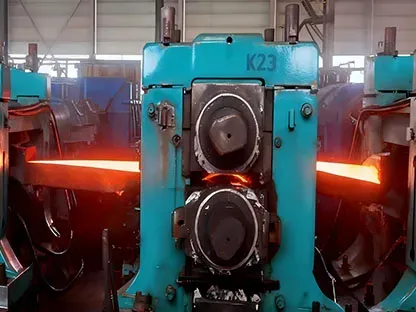
Addressing vibration issues proactively in high-speed wire rod mills provides several benefits:
Enhanced Equipment Longevity: Reducing excessive vibration prevents premature wear of bearings, rolls, and other critical components.
Improved Product Quality: Stable operation ensures uniform rod dimensions and surface finish, meeting stringent customer specifications.
Operational Efficiency: Minimizing vibration reduces energy losses and enhances throughput.
Safety Compliance: Stable machinery operation mitigates the risk of accidents caused by mechanical failures.
Conclusion
Troubleshooting vibration issues in high-speed wire rod mills is a multifaceted process that requires mechanical insight, monitoring tools, and proactive maintenance. By understanding the root causes—from rotational imbalances and bearing wear to structural weaknesses and control system anomalies—engineers can implement effective corrective measures. A systematic approach combining detailed analysis, mechanical inspection, foundation assessment, material feed optimization, and predictive maintenance ensures reliable mill operation and long-term cost savings. For steel producers, mastering vibration troubleshooting is not just about maintaining machinery; it is about safeguarding product quality, workforce safety, and the overall competitiveness of the mill.
Maintaining a high-speed wire rod mill at peak performance is achievable when vibration issues are addressed strategically, combining technical expertise with advanced monitoring solutions. Companies that invest in comprehensive troubleshooting protocols can expect fewer production interruptions, higher-quality outputs, and significant reductions in maintenance costs, reinforcing their position in the competitive steel market.