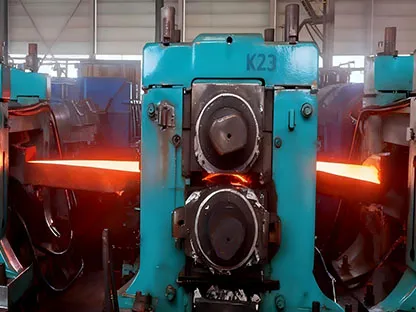
In the demanding environment of metal processing, rolling mills play a critical role in shaping and refining metals to precise specifications. The efficiency and longevity of these machines depend heavily on the condition of their bearings, which are often subjected to high loads, extreme temperatures, and continuous operation. Implementing a structured rolling mill bearing lubrication and maintenance checklist is essential to avoid unexpected failures, minimize downtime, and maximize operational efficiency.
Understanding the Importance of Bearing Maintenance
Bearings are fundamental components in rolling mills. They support rotating shafts and rollers, reduce friction, and ensure smooth motion under substantial loads. Any failure in bearing performance can lead to costly production halts, excessive wear on adjacent machinery, and significant repair expenses. Proper lubrication is the first line of defense against these risks, as it reduces friction, dissipates heat, and protects against contamination and corrosion. Beyond lubrication, a systematic maintenance routine ensures bearings operate within their designed parameters, extending their service life and reducing maintenance costs.
Key Elements of a Rolling Mill Bearing Lubrication and Maintenance Checklist
Creating an effective checklist involves integrating both daily operational practices and long-term preventive maintenance strategies. The following components are essential:
1. Lubrication Type and Compatibility
Choosing the correct lubricant is crucial. Rolling mill bearings may require grease or oil depending on their design, speed, load, and environmental conditions. High-quality, industry-approved lubricants reduce wear and prevent overheating. When updating or replacing lubricants, always verify compatibility with existing materials and seals to avoid chemical reactions that could compromise bearing integrity.
2. Lubrication Frequency
Proper frequency of lubrication depends on bearing type and operating conditions. For example, bearings in high-speed or high-temperature applications may require more frequent lubrication than standard rolling mill bearings. The checklist should specify daily, weekly, and monthly lubrication tasks to maintain a consistent protective film over the bearing surfaces.
3. Bearing Temperature Monitoring
Excessive heat is a leading cause of bearing failure. The checklist should include regular temperature checks using infrared thermometers or built-in monitoring systems. Any deviation from normal operating temperature ranges must trigger immediate inspection and corrective action, including potential lubrication adjustments or load redistribution.
4. Vibration Analysis
Vibration monitoring helps detect early signs of bearing wear, misalignment, or imbalance. Incorporating vibration analysis into the maintenance checklist allows operators to identify issues before catastrophic failures occur. Routine measurements and trend tracking provide valuable data for predictive maintenance.
5. Contamination Control
Dust, metal particles, and moisture are common contaminants in rolling mill environments. The checklist should outline measures to maintain clean bearings, including regular inspection of seals, housing, and lubricant reservoirs. Contamination not only accelerates wear but can also lead to severe damage if left unchecked.
6. Visual Inspection
Routine visual inspections remain a simple yet effective method to detect early bearing problems. Look for signs of discoloration, corrosion, lubricant leakage, or abnormal wear patterns. Any irregularities should be documented, and corrective actions should be implemented promptly.
7. Bearing Alignment Checks
Proper alignment reduces uneven loading and premature wear. The maintenance checklist should include periodic checks for shaft and roller alignment, particularly after heavy loads, repairs, or production changes. Misalignment can cause localized overheating, increased friction, and reduced bearing life.
8. Lubricant Quality Testing
Even high-quality lubricants degrade over time. Testing for viscosity, contamination, and additive depletion ensures that bearings receive optimal protection. Replace or replenish lubricants according to manufacturer recommendations or when testing indicates deterioration.
9. Record-Keeping and Documentation
Maintaining detailed records of all lubrication and maintenance activities is critical for long-term performance monitoring. The checklist should include fields for date, type of lubricant used, bearing temperature, vibration readings, and any anomalies detected. Consistent documentation enables trend analysis and informed decision-making regarding maintenance schedules and component replacements.
10. Training and Personnel Competence
A checklist is only effective if the personnel executing it are well-trained. Ensure that maintenance teams understand the importance of each step, recognize early warning signs of bearing issues, and are familiar with manufacturer guidelines. Investing in ongoing training improves compliance and reduces the risk of human error.
Benefits of Following a Structured Maintenance Checklist
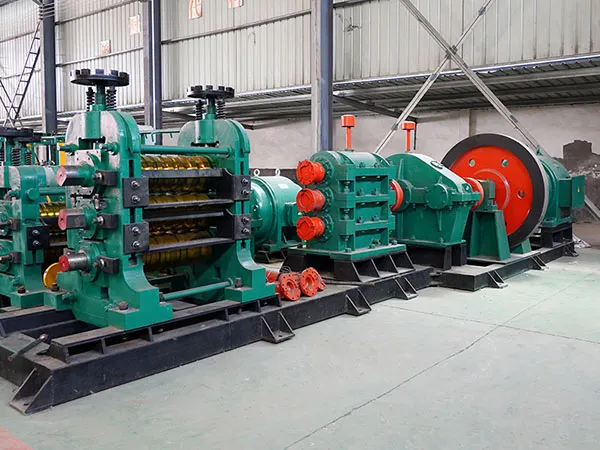
Implementing a comprehensive rolling mill bearing lubrication and maintenance checklist offers several key benefits:
Extended Bearing Life: Regular lubrication and proactive maintenance prevent premature wear and failure.
Reduced Downtime: Early detection of issues allows for planned interventions, minimizing unplanned stoppages.
Improved Production Efficiency: Well-maintained bearings operate more smoothly, reducing energy consumption and enhancing product quality.
Cost Savings: Preventive maintenance avoids expensive repairs, bearing replacements, and production losses.
Enhanced Safety: Properly maintained bearings reduce the risk of catastrophic failures, protecting personnel and equipment.
Conclusion
Rolling mill bearings are critical to the operational success of metal processing plants. Without a disciplined approach to lubrication and maintenance, these components are susceptible to wear, overheating, and failure, leading to significant downtime and financial losses. By implementing a detailed rolling mill bearing lubrication and maintenance checklist, companies can ensure consistent performance, maximize bearing lifespan, and improve overall plant efficiency. Following this structured approach aligns with best industry practices, supports predictive maintenance strategies, and establishes a culture of reliability and safety across the production floor.
Adopting such a checklist not only safeguards machinery but also reinforces operational excellence, demonstrating a commitment to quality and efficiency. In an industry where precision and reliability are paramount, meticulous bearing care is not optional—it is essential.