The steel industry is under constant pressure to improve efficiency and reduce operating costs. Among the various processes involved in steel production, the hot rolling mill is one of the most energy-intensive stages. Optimizing power consumption in hot rolling operations not only lowers production costs but also contributes to sustainability goals and reduces the environmental footprint. In this article, we explore practical strategies and technological approaches for how to reduce power consumption in hot rolling mill, offering insights that steel producers can implement immediately.
Understanding Power Consumption in Hot Rolling Mills
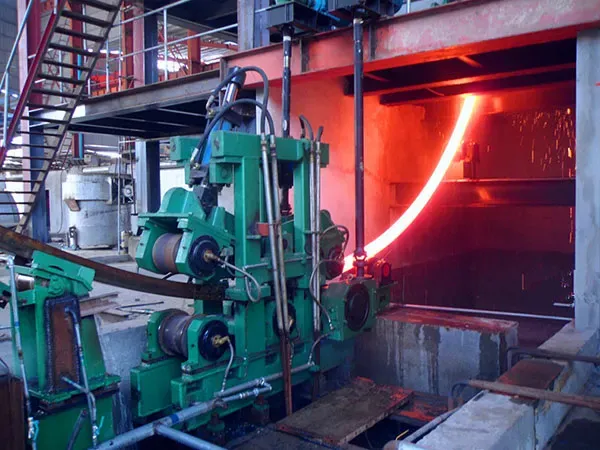
Before addressing solutions, it is crucial to understand where energy is consumed in a hot rolling mill. The primary energy users include:
Roller drives – These motors supply the torque needed to deform the steel. The efficiency of these drives significantly impacts total energy consumption.
Furnaces and reheating systems – Maintaining the steel at the appropriate rolling temperature requires a substantial amount of thermal energy.
Auxiliary systems – Pumps, fans, and lubrication systems also consume a noticeable amount of power during operations.
Process inefficiencies – Energy losses due to friction, misalignment, or suboptimal scheduling contribute indirectly to higher electricity usage.
Understanding these factors allows operators and engineers to pinpoint areas where power reduction efforts can be most effective.
Optimize Rolling Mill Equipment and Processes
One of the most effective ways to reduce power consumption in hot rolling mills is to upgrade and maintain critical equipment:
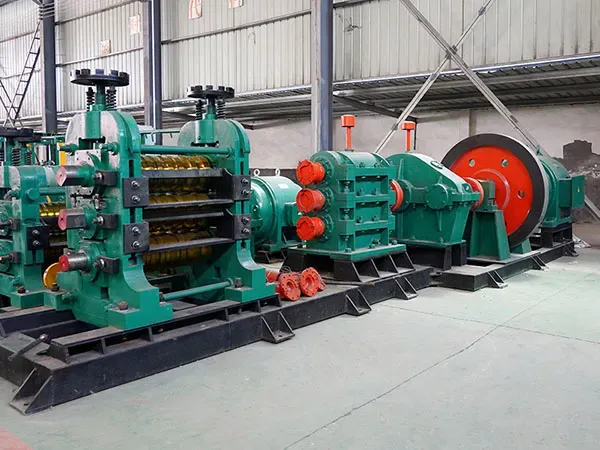
High-efficiency motors: Replacing older motors with modern, high-efficiency models can reduce energy losses. Motors with variable frequency drives (VFDs) enable precise speed control, minimizing unnecessary power use.
Roller alignment and lubrication: Proper alignment of rollers reduces frictional losses. Additionally, applying advanced lubricants designed for high-temperature operations can further decrease resistance, leading to measurable energy savings.
Regular maintenance: Preventive maintenance ensures that bearings, gears, and other moving parts operate smoothly, reducing mechanical resistance and the corresponding power draw.
Optimizing the mechanical aspects of the mill directly influences electricity consumption and extends equipment lifespan.
Implement Energy Recovery and Heat Management Systems
Heat management plays a critical role in reducing power consumption in hot rolling mills:
Waste heat recovery: Installing waste heat recovery units in reheating furnaces allows excess thermal energy to be reused within the mill, either to preheat incoming billets or to generate electricity for auxiliary systems.
Advanced furnace control: Modern control systems adjust fuel input and airflow dynamically based on real-time temperature measurements, minimizing unnecessary energy expenditure.
Insulation improvements: Proper insulation of furnaces, pipes, and other high-temperature surfaces reduces heat loss, decreasing the energy required to maintain operational temperatures.
Integrating these technologies provides immediate benefits and long-term efficiency improvements.
Optimize Rolling Schedules and Material Handling
Energy consumption is also influenced by operational planning:
Batch scheduling: Rolling billets in sequences that minimize temperature fluctuations reduces the need for reheating, saving substantial energy.
Material preheating: Using preheated billets reduces the furnace load, lowering overall power consumption.
Minimized idle time: Keeping rollers engaged efficiently and reducing idle periods prevents wasted motor energy.
Smart scheduling not only reduces electricity costs but also improves throughput and product quality.
Leverage Digital Monitoring and Predictive Analytics
The digital transformation of steel mills has opened new avenues for energy optimization:
Real-time energy monitoring: Installing sensors and monitoring systems allows operators to track power consumption across each mill component, identifying inefficiencies and unexpected spikes.
Predictive maintenance: Advanced analytics can forecast equipment wear or misalignment before it leads to higher energy use, enabling timely intervention.
AI-driven process optimization: Algorithms can adjust rolling parameters dynamically to maintain optimal energy use without compromising product specifications.
Investing in digital solutions ensures continuous improvement in energy efficiency and supports long-term sustainability objectives.
Staff Training and Energy Awareness
Finally, the human factor is often overlooked but plays a critical role:
Operator training: Educating staff about energy-efficient practices, such as optimal speed settings, correct use of lubrication systems, and timely maintenance reporting, directly reduces power wastage.
Energy KPIs: Establishing key performance indicators for energy consumption encourages accountability and motivates teams to achieve efficiency targets.
A culture of energy consciousness ensures that technical solutions are fully utilized and sustained over time.
Conclusion
Reducing power consumption in hot rolling mills requires a comprehensive approach that combines equipment optimization, heat management, operational efficiency, digital technologies, and workforce engagement. By understanding the sources of energy use and implementing targeted strategies, steel manufacturers can achieve substantial cost savings while advancing sustainability goals.
Focusing on how to reduce power consumption in hot rolling mill is not merely an operational enhancement; it represents a strategic advantage in an industry where energy costs are significant and environmental standards are increasingly stringent. Adopting these measures ensures that your mill remains competitive, efficient, and responsible in a rapidly evolving market.