In today's highly competitive metal processing industry, the production efficiency of rolling mills directly impacts a company's capacity, cost structure, and market competitiveness. Even with continuous upgrades to modern production lines, many factories still face problems such as unstable operation, limited output, and high energy consumption. To truly improve the production efficiency of rolling mills, it's not enough to just pursue speed; synergistic optimization is needed across equipment, processes, personnel, and management.
How to Improve Rolling Mill Production Efficiency
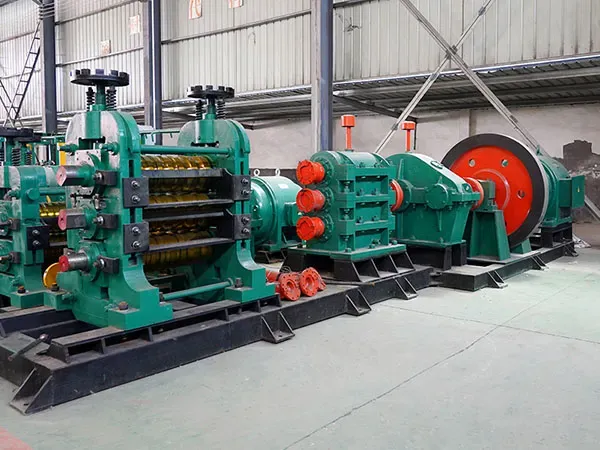
This article will explore how to systematically improve the production efficiency of rolling mills from six key dimensions, helping companies achieve stable, high-quality output at a lower cost.
1. Strengthening Equipment Maintenance System: The Foundation for Stable Operation
Rolling mills have complex structures, with components such as rollers, bearings, and gears subjected to high temperatures, high pressures, and high-speed operation for extended periods. Even minor wear can directly affect the precision of finished products and production speed. Therefore, establishing a scientific and executable maintenance system is crucial.
Implementable optimization measures include:
Developing a detailed inspection system: Regularly inspecting the surface wear, cracks, and hardness changes of the rolls, and promptly repairing or replacing them.
Strengthening lubrication management: Providing timely lubrication for bearings, gears, and transmission systems to maintain low-friction operation.
1) Introduce an early warning mechanism: By monitoring key parameters such as vibration and temperature, potential failure points can be identified in advance.
2) Standardize spare parts replacement cycles: Avoid unplanned capacity losses due to temporary shutdowns.
3) Stable equipment condition: Only with stable equipment can the rolling mill maintain a continuous and stable production rhythm under high load.
2. Optimize material transportation processes: Reduce bottlenecks and improve cycle time.
Insufficient material supply is a common factor affecting rolling mill efficiency. Whether it's untimely billet feeding or inefficient coil transfer, it will cause "idle" time on the production line.
Key to improving efficiency:
Build an automated feeding system: Use conveyor lines, AGVs, or robotic arms to reduce waiting and errors caused by manual operations.
Real-time inventory monitoring: Ensure sufficient material at the furnace and mill entrances to avoid production delays due to inaccurate inventory information.
Optimize production scheduling: Rationally plan rolling batches based on rolling specifications, furnace status, and process cycle time.
Reduce unnecessary handling: Shorten material flow paths through layout optimization.
With smoother material flow, production rhythm will be more stable, and overall efficiency will improve accordingly.
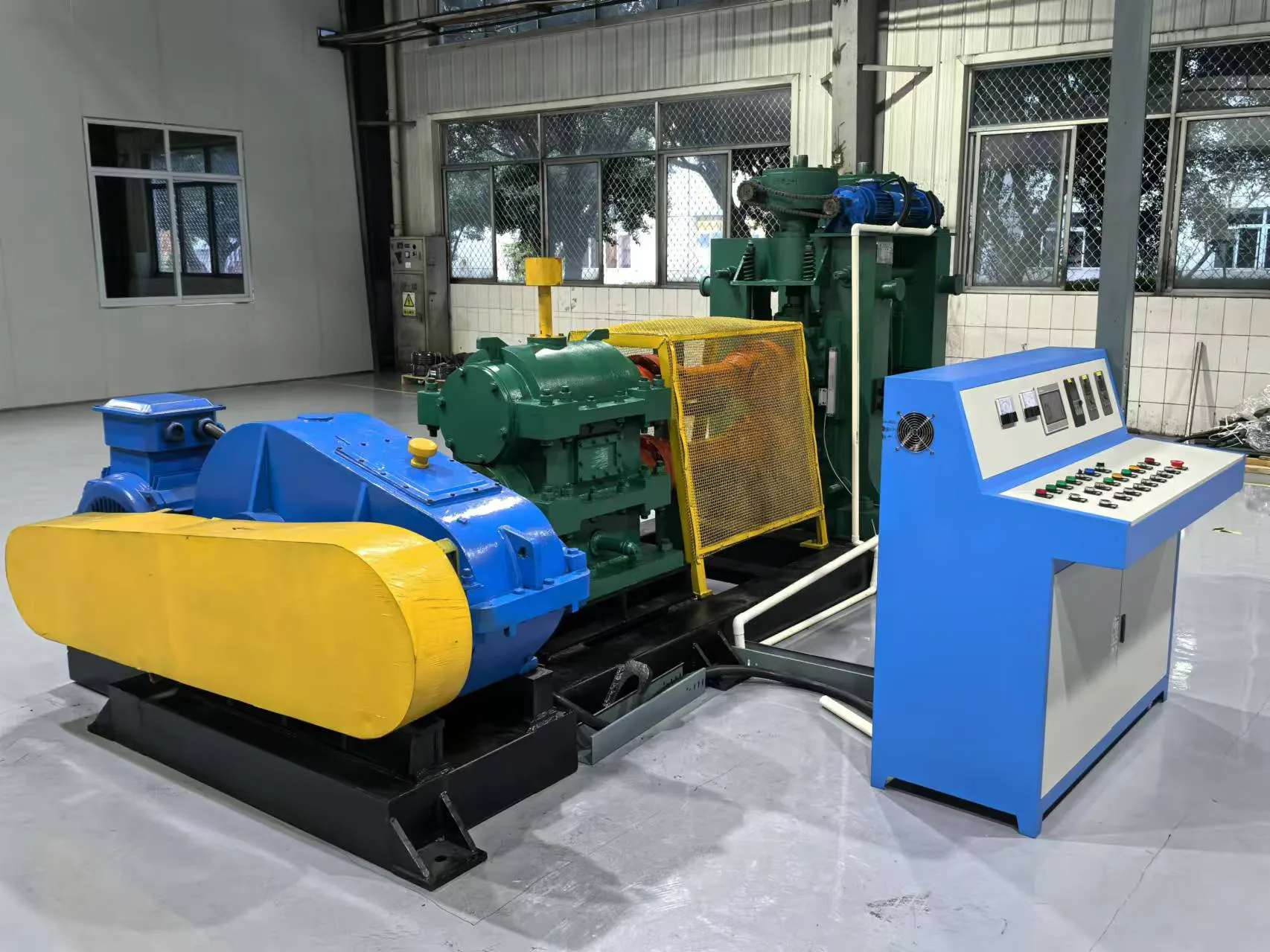
3. Improve Process Control: From Experience-Based Management to Digital Management
Modern steel rolling production cannot function without precise process control. Unstable temperature, inaccurate tension control, and unreasonable roll speed ratios can all lead to dimensional deviations, strip breakage, or rework, directly reducing production capacity.
Improving process control can be approached from the following aspects:
Use higher-precision sensors: Real-time monitoring of key data such as temperature, pressure, tension, and speed.
Establish an automated feedback adjustment system: Automatically correct deviations when they occur, without relying on manual judgment.
Introduce data analysis tools: Utilize production data to discover patterns, such as rolling cycles, causes of strip breakage, and abnormal energy consumption.
Strengthen process quality management: Ensure that parameters for each process are traceable and quantifiable.
More precise process control not only reduces scrap rates but also creates conditions for stable speed increases.
4. Strengthen Personnel Training: Technology and Experience Are Equally Important
No matter how advanced the equipment, experienced operators are still needed to ensure stable operation. Many efficiency problems actually stem from unfamiliarity with operation, slow alarm handling, or insufficient understanding of the process.
An effective training system can include:
Regularly conducting equipment operation and maintenance training
Simulating emergency drills to improve personnel reaction speed
Building multi-skilled teams to achieve job complementarity
Encouraging employees to provide feedback on process optimization suggestions
Improving the overall capabilities of personnel is a key factor in reducing downtime and increasing production pace.
5. Introducing Lean Manufacturing Concepts: Eliminating Waste from a Management Perspective
The lean concept emphasizes eliminating various forms of waste in the process, including waiting, transportation, excessive inventory, and rework. Applying lean methods to steel rolling production can effectively improve overall production efficiency.
Implementation methods may include:
Drawing production flow diagrams to identify non-value-adding processes
Optimizing production planning and scheduling to reduce equipment changeover time
Setting quantifiable KPIs, such as output, yield, energy consumption, and downtime rate
Establishing a continuous improvement mechanism and regularly reviewing problem areas
Through management optimization, production lines can achieve higher coordination and stability.
6. Investing in Energy Conservation and Equipment Upgrades: A Dual Driver of Efficiency Improvement and Cost Reduction
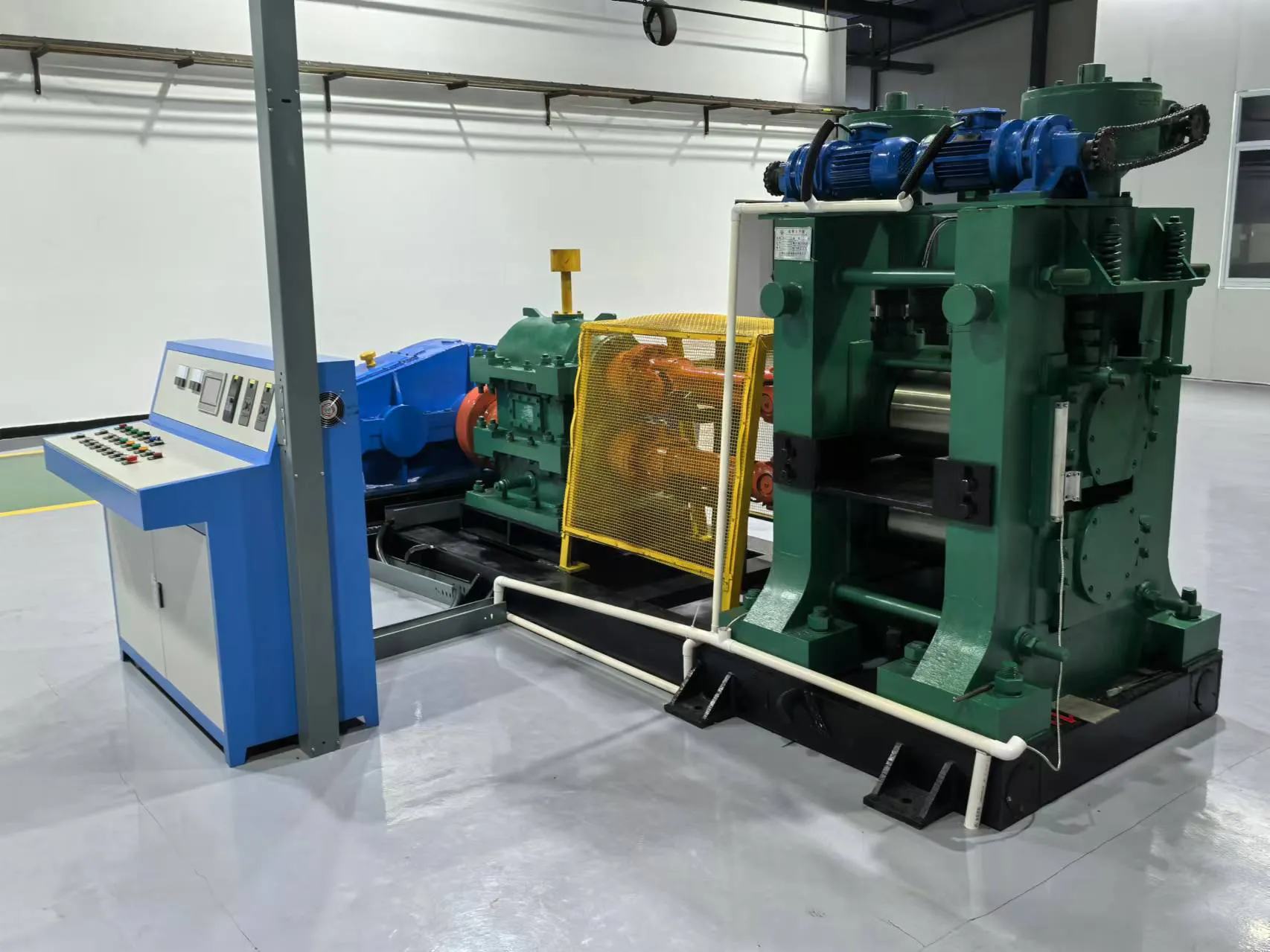
Energy costs account for a significant portion of the operation of a steel rolling mill. Appropriate equipment upgrades not only reduce energy consumption but also improve rolling efficiency.
Key areas for improvement include:
Replacing motors with high-efficiency, energy-saving motors and variable frequency control systems
Using waste heat recovery systems to improve energy utilization
Upgrading furnace burners to improve combustion stability
Optimizing cooling water systems to reduce ineffective water consumption
By introducing energy-saving technologies, companies can simultaneously achieve efficiency improvements and cost reductions.
Conclusion
Improving the production efficiency of steel rolling mills is a systematic project requiring comprehensive optimization across equipment, materials, processes, personnel, and management. By building a comprehensive equipment maintenance system, optimizing material flow, strengthening process control, cultivating a professional operating team, implementing lean production, and introducing energy-saving equipment, factories can not only increase output and quality but also significantly reduce operating costs.
In the increasingly competitive metal processing industry, only continuous improvement and upgrading can maintain higher market competitiveness and achieve long-term sustainable development.