Rolling mill rolls are not just machine parts—they are the heart of metal rolling operations. Their condition directly impacts production efficiency, product quality, and operational costs. Premature roll failure can lead to unplanned downtime, scrap material, and significant financial losses.
Whether you operate a steel rolling mill, aluminum rolling plant, or general metal processing facility, extending the service life of rolls is critical. This guide provides practical, step-by-step strategies backed by real-world experience, helping your plant maximize roll longevity while maintaining consistent product quality.
How to Extend the Service Life of Rolling Mill Rolls
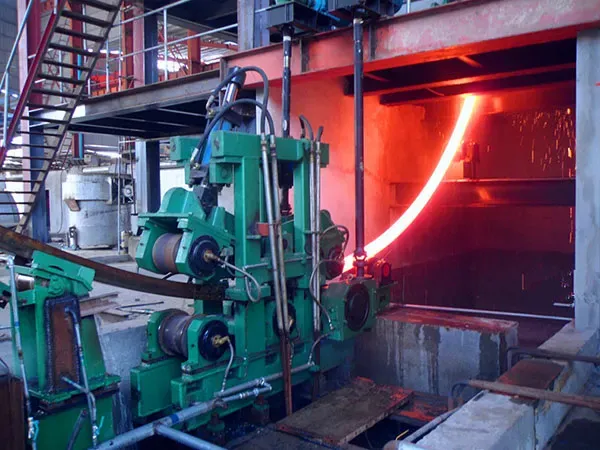
1. Select the Right Roll Material for Your Application
The choice of roll material is the foundation of roll durability. Common materials include:
Forged steel rolls: Offer excellent toughness and crack resistance, ideal for high-force steel rolling operations.
Cast steel rolls: More cost-effective, with good wear resistance, suitable for moderate-speed operations.
Alloyed and heat-treated rolls: Designed for high temperatures, abrasive conditions, or specialized metals like stainless steel and copper alloys.
Example: In a high-speed aluminum rolling line, using forged alloyed rolls with enhanced toughness can prevent chipping and surface pitting caused by repeated thermal stress.
Tip: Always match roll material to the metal being processed, production speed, and expected load. Using the wrong material can reduce service life by 30–50%.
2. Optimize Cooling and Lubrication
Excessive heat and friction are the leading causes of roll wear. Effective cooling and lubrication extend service life and improve surface quality:
Water-based cooling systems: Quickly dissipate heat and maintain uniform roll temperature.
Oil or synthetic lubricants: Reduce metal-to-roll friction, especially at high speeds or heavy loads.
Monitoring systems: Automated tracking of temperature, lubricant flow, and pressure helps prevent overheating and unexpected roll damage.
Pro Tip: Inspect cooling channels and lubrication nozzles weekly. Even minor blockages can create hot spots, accelerating surface cracks and uneven wear.
3. Implement Routine and Proactive Roll Maintenance
Maintenance is not optional—it's critical. Effective practices include:
Visual and ultrasonic inspections: Detect early signs of cracks, spalling, or surface irregularities.
Roll grinding: Restores surface profile, removes minor wear, and maintains dimensional accuracy.
Balancing and alignment checks: Prevent uneven wear and vibration, which can shorten roll lifespan.
Case Insight: In a steel rolling mill, introducing a quarterly ultrasonic inspection program reduced unplanned roll replacements by 25% within a year.
4. Monitor and Adjust Rolling Parameters
Incorrect rolling parameters accelerate wear and reduce roll performance. Pay close attention to:
Rolling speed: Excessive speed generates heat and increases friction.
Rolling force: Overloading can deform the roll surface.
Pass schedule: Optimize the number of passes and reduction per pass to prevent over-stressing.
Actionable Tip: Use a real-time monitoring system to track load, speed, and temperature. Adjust pass schedules dynamically to reduce thermal stress and wear.
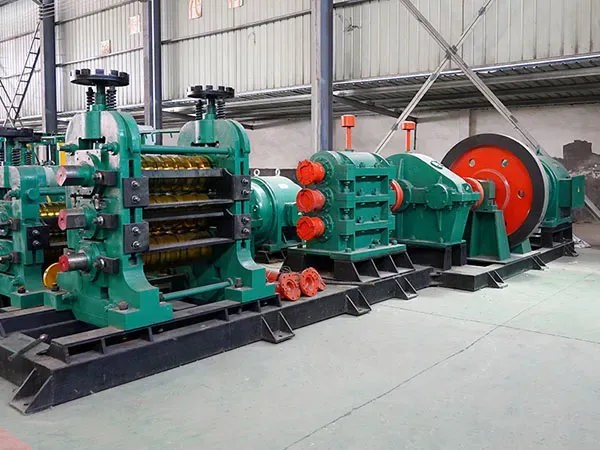
5. Invest in Advanced Surface Treatments
Modern surface treatments can significantly increase roll life:
Nitriding or carburizing: Enhances surface hardness, resisting thermal fatigue and wear.
Chrome or carbide coatings: Protect against abrasion and metal adhesion.
Laser surface texturing: Improves lubricant retention and reduces friction.
Example: A high-volume aluminum mill applied laser texturing to rolls and extended their service life by 40%, reducing downtime and maintenance costs.
6. Train Operators and Staff
Even the best rolls fail if mishandled. Staff should be trained in:
Correct equipment operation and handling.
Monitoring roll condition and identifying early wear signs.
Reporting anomalies promptly to prevent catastrophic failure.
Practical Tip: Implement a training program that combines hands-on practice with digital monitoring tools. Skilled operators contribute directly to roll longevity and plant efficiency.
7. Implement a Roll Lifecycle Management Plan
To maximize ROI, treat rolls as strategic assets:
Track roll usage hours and cumulative load.
Schedule preventive maintenance based on actual operating conditions rather than fixed intervals.
Maintain a log of surface treatments, repairs, and grinding history.
Benefit: This approach allows predictive maintenance, reduces unexpected downtime, and extends roll service life by up to 50% in high-volume operations.
Conclusion
Extending the service life of rolling mill rolls requires a holistic, proactive approach:
Selecting the right material for the application
Maintaining effective cooling and lubrication
Implementing proactive inspections and maintenance
Controlling rolling parameters
Using advanced surface treatments
Training operators thoroughly
Managing rolls as strategic assets
By combining these strategies, steel, aluminum, and metal rolling plants can reduce downtime, cut operational costs, and maintain consistent product quality. Rolling mill rolls are more than components—they are critical investments. Protecting them is an investment in efficiency, precision, and long-term operational success.
Final Insight: A well-maintained roll not only improves production but also contributes directly to product quality and profitability. In competitive metal rolling operations, roll longevity can be a decisive factor in operational excellence.