In modern metalworking operations, rolling mills are at the heart of production. Whether transforming steel sheets, aluminum coils, or specialty alloys, these machines ensure raw materials are converted into precise, high-quality products. Yet, despite their robust construction, rolling mills are subject to wear, stress, and operational challenges. Without a structured maintenance program, even minor issues can escalate into costly production interruptions.
Rolling Mill Maintenance Guide
Maintenance is more than a technical task—it is a strategic investment. Proper care not only ensures consistent performance but also protects product quality, reduces downtime, and maximizes the return on machinery investment.
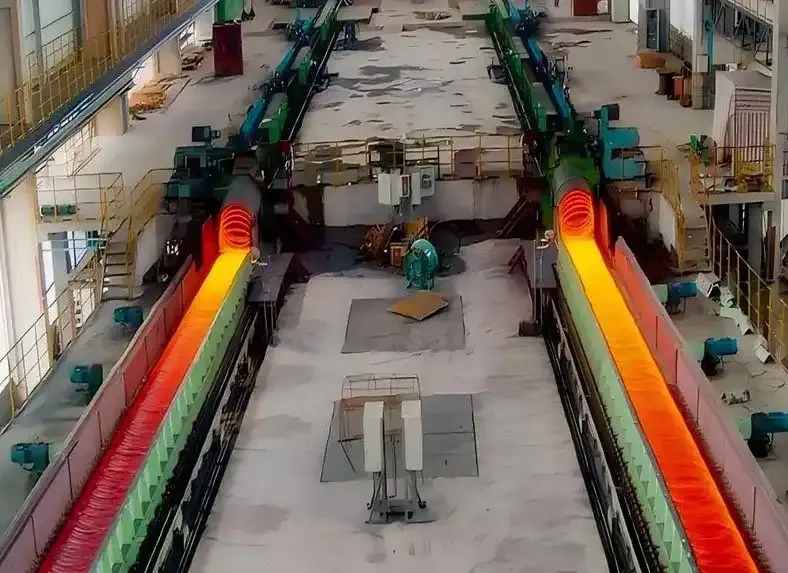
1. Routine Inspection and Cleaning: Catch Problems Early
Daily inspections are the first line of defense against machine failures. Operators should check for:
Visible wear on rollers, bearings, and gear surfaces
Oil or lubricant leaks
Unusual noises or vibrations during operation
Signs of corrosion or contamination on mill surfaces
Regular cleaning prevents buildup of dust, metal particles, and residue, which can degrade the material quality and accelerate wear. For large-scale operations, maintaining a documented inspection checklist ensures no critical component is overlooked.
2. Lubrication Management: Reduce Friction, Prevent Overheating
Rolling mills operate under extreme friction and high temperatures, making lubrication crucial. Key practices include:
Using manufacturer-recommended lubricants for gears, bearings, and hydraulic systems
Scheduling lubrication at consistent intervals
Monitoring oil condition and replacing it before contamination affects performance
Proper lubrication reduces wear, prevents overheating, and ensures smooth, reliable operation. In practice, mills with disciplined lubrication programs often experience 20–30% fewer emergency repairs.
3. Alignment and Calibration: Ensure Consistent Product Quality
Roller alignment directly impacts the uniformity of thickness and surface finish. Misaligned rollers can cause:
Uneven material flow
Increased scrap rates
Surface defects and compromised product quality
Regular calibration ensures tolerances are maintained, allowing the mill to produce high-quality sheets and coils consistently. Some advanced facilities employ laser-guided alignment tools to guarantee precision within microns.
4. Preventive Component Replacement: Avoid Unexpected Downtime
Bearings, belts, hydraulic seals, and drive components have finite lifespans. Waiting until failure occurs can lead to:
Lengthy production stoppages
High repair costs
Risk of damage to other critical components
A preventive replacement schedule—based on manufacturer recommendations and real-world usage data—minimizes disruptions. Many manufacturers integrate predictive maintenance software to track component health and plan replacements proactively.
5. Monitoring and Condition Analysis: Move from Reactive to Predictive
Modern rolling mills are often equipped with sensors to monitor:
Temperature fluctuations
Vibrations in bearings and rollers
Torque variations during rolling
By analyzing this data, maintenance teams can detect early signs of wear or imbalance. Predictive maintenance enables interventions before a minor issue becomes a major breakdown, saving both time and costs.
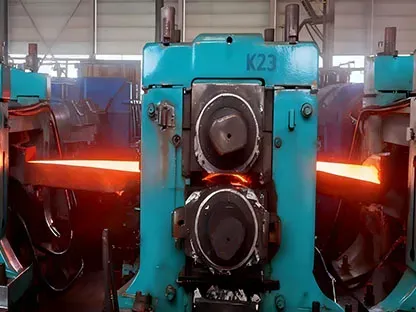
Benefits of a Comprehensive Maintenance Program
A well-structured maintenance program delivers measurable benefits:
Extended Equipment Lifespan: Minimizes premature wear and prolongs operational life
Consistent Product Quality: Reduces defects, maintains uniform thickness, and ensures smooth surfaces
Reduced Downtime: Preventive and predictive strategies decrease unscheduled stoppages
Lower Operational Costs: Fewer emergency repairs, less scrap, and optimized production efficiency
Conclusion: Maintenance as a Competitive Advantage
Rolling mill maintenance is not optional—it is a strategic practice that directly impacts productivity, product quality, and profitability. Manufacturers that adopt structured inspection routines, disciplined lubrication schedules, precise alignment procedures, and modern condition monitoring can achieve peak performance with minimal disruption.
In today’s competitive metalworking industry, a robust maintenance program transforms rolling mills from simple machinery into reliable production assets—ensuring consistent output, reducing operational risk, and delivering tangible returns on investment.