In modern steel production, the rolling mill serves as the core equipment, with its performance directly impacting production efficiency, product quality, and energy costs. As the variety of rolling mills available on the market continues to expand—from traditional hot rolling mills to cold rolling mills, section mills, and intelligent automated rolling mills—enterprises often face challenges of information overload and technical complexity during the selection process. Selecting the right rolling mill not only determines production capacity but also impacts long-term cost control and market competitiveness. This article systematically analyzes rolling mill selection guidelines from multiple perspectives—including production requirements, technical parameters, energy efficiency, maintenance, return on investment, and expert advice—to help enterprises make informed decisions.
How to Select the Right Rolling Mill Equipment?
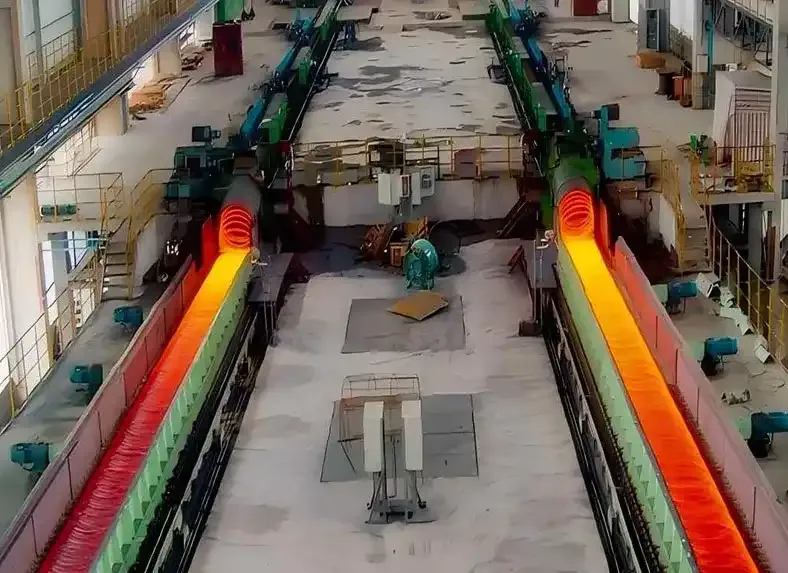
I. Defining Production Requirements: The Primary Consideration for Rolling Operations
The first step in selecting a rolling mill is clearly defining the enterprise's production objectives and product specifications. Companies must clarify the following questions:
Product Type and Specifications: Will the mill produce hot-rolled plates, cold-rolled coils, structural steel, or specialty steel? Different product types impose distinct requirements on rolling pressure, roll diameter, rolling speed, and stand rigidity.
Production Capacity: What is the anticipated daily or annual output? High-volume production demands machinery with high-power drive systems and stable continuous operation capabilities.
Finished Product Quality Requirements: Are there strict specifications for thickness accuracy, surface finish, or flatness? High-precision products typically require automatic adjustment systems and precision sensors.
For instance, a manufacturer of high-precision cold-rolled steel coils requires a rolling mill with a high-rigidity frame, low-friction high-precision rolls, and a precision automated control system to ensure stable product thickness and surface quality. Conversely, a producer of standard structural steel may prioritize the mill's load capacity and output volume, with relatively lower demands on surface precision.
II. Technical Parameters and Performance Metrics: Scientifically Evaluating Core Equipment Capabilities
After defining production requirements, technical parameters become the key factors determining a rolling mill's suitability. The following core indicators warrant close attention during selection:
Rolling Pressure and Roll Diameter
Roll diameter directly impacts rolling capacity and steel precision. Large-diameter rolls can withstand higher pressures, making them suitable for thick plates or high-strength steel rolling; while smaller-diameter rolls are better suited for precision rolling of thin plates or lightweight sections.
Frame Rigidity and Vibration Control
A highly rigid frame maintains stability under heavy loads, minimizing dimensional deviations and surface waviness. Modern high-end rolling mills typically employ optimized frame structures and anti-vibration designs to ensure long-term stability during high-speed production.
Drive System and Power Matching
A stable drive system ensures continuous rolling without speed fluctuations, minimizing strip breaks or uneven rolling. Different solutions—hydraulic, servo, or motor-driven—must be matched to product type and output requirements.
Automated Control and Intelligent Monitoring
Advanced rolling mills incorporate temperature, speed, and rolling force sensors, enabling closed-loop control and data logging. This not only reduces manual intervention and enhances production precision but also facilitates subsequent data analysis and production optimization.
Safety Protection and Emergency Mechanisms
Modern rolling mills should incorporate overload protection, emergency stop, and anti-collision systems to minimize equipment damage risks while ensuring operator safety.
Through systematic analysis of technical specifications, enterprises can identify parameters critical to their production needs, enabling precise selection of suitable models.
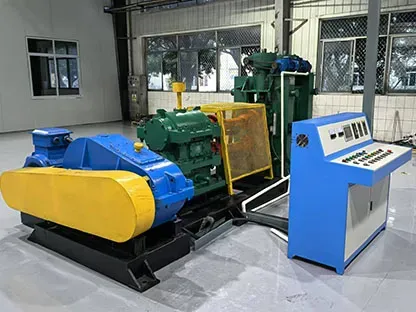
III. Energy Efficiency and Environmental Performance: Long-Term Value in Energy Conservation and Emissions Reduction
As a high-energy-consuming industry, the steel sector relies heavily on rolling mills as primary power equipment. Their energy efficiency and environmental performance directly impact production costs and corporate reputation. Key considerations during selection include:
High-efficiency motors and transmission systems: Reduce electrical energy loss and enhance rolling efficiency.
Waste Heat Recovery and Cooling System Optimization: Utilizing heat generated during production to lower overall energy consumption.
Environmental Standard Compliance: Whether the equipment meets local emission standards and supports green certification.
For example, a modern hot rolling mill adopting energy-efficient rolling mill equipment reduced energy consumption per unit of product by approximately 8%–12%. Simultaneously, exhaust gas and noise control became easier to achieve, saving the enterprise substantial long-term operational costs.
IV. Equipment Maintenance and After-Sales Service: Mitigating Long-Term Operational Risks
The lifespan and maintenance convenience of rolling mills are critical considerations for enterprise selection. Key factors include:
Component Durability: Parts crafted from premium steel and precision machining offer extended service life, reducing replacement frequency.
Maintenance Convenience: Modular design, quick-change systems, and clear maintenance manuals help minimize downtime.
After-Sales Service Support: Experienced manufacturers typically provide training, regular inspections, and rapid spare parts supply to ensure production continuity.
In real-world cases, some steel mills experienced prolonged shutdowns due to accumulated minor equipment failures caused by neglecting after-sales service. Conversely, selecting brands with comprehensive service offerings significantly reduced maintenance costs and ensured stable production line operation.
V. Investment Costs and Long-Term Returns: Economic Analysis
Although rolling mills require substantial initial investment, long-term returns are the core of decision-making. When evaluating, enterprises should consider the following aspects:
Initial Acquisition Costs: Including equipment itself, transportation, installation, and commissioning expenses.
Operating Costs: Energy consumption, labor input, and maintenance expenses.
Output and Efficiency Enhancement: High-efficiency equipment increases output per unit time, boosting market competitiveness.
Lifecycle and Upgrade Potential: Equipment adaptable to future production expansion and technological upgrades holds greater long-term value.
Through scientific cost analysis, companies can identify models offering optimal cost-performance ratios rather than pursuing solely low-cost or high-end options.
VI. Site Visits and Expert Consultation: Mitigating Selection Risks
Before finalizing decisions, companies should fully leverage expert consultation and site visits:
Site tours: Observe production lines at peer companies to assess equipment stability and efficiency in real-world manufacturing environments.
Trial Production and Sample Testing: Small-batch trials validate operational performance, finished product quality, and adaptability.
Expert Technical Guidance: Manufacturers or industry specialists can provide customized solutions to optimize configurations and prevent losses from ill-informed selections.
Real-world cases demonstrate that expert guidance and field verification enable more accurate assessments of equipment suitability, significantly reducing investment risks.
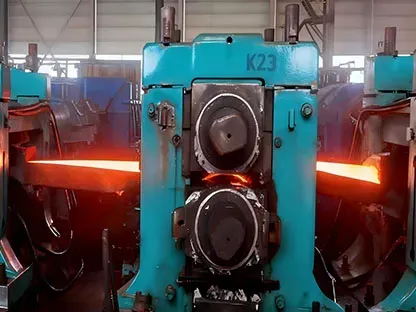
VII. Summary and Action Guide
Selecting suitable rolling mill equipment is a systematic process requiring consideration of production needs, technical performance, energy efficiency, maintenance convenience, return on investment, and professional consultation. Scientific selection not only enhances production efficiency and product quality but also reduces operational costs, establishing a long-term competitive advantage in the market.
Companies can follow these action steps in practice:
Define product specifications and output requirements
Evaluate technical parameters and performance metrics
Assess equipment energy efficiency and environmental standards
Review maintenance accessibility and after-sales support
Analyze investment costs and long-term returns
Conduct on-site inspections and expert consultations
By adhering to these guidelines, enterprises can not only procure rolling mill equipment tailored to their production needs but also establish a solid foundation for future production expansion and technological upgrades. This approach enables the achievement of efficient, safe, energy-saving, and intelligent production objectives.