In modern steel and metal processing environments, production efficiency is no longer defined solely by output volume. Instead, it is increasingly measured by how effectively companies manage operating costs, extend equipment lifespan, and align with sustainability expectations. Within this context, rolling mill work rolls—often overlooked outside technical teams—play a decisive role in determining both product quality and production stability.
Work rolls operate under continuous high-load conditions, directly contacting metal surfaces while enduring extreme pressure, thermal cycling, and abrasive wear. Traditionally, once rolls reached a predefined wear limit, they were scrapped and replaced with new units. While straightforward, this approach creates a hidden cost structure that extends far beyond procurement—impacting downtime, inventory management, and overall production planning.
Today, forward-thinking manufacturers are shifting toward recycling and reconditioning strategies, transforming what was once considered consumable tooling into a manageable, high-value asset.
Rethinking Work Roll Wear: From Consumption to Lifecycle Management
To fully understand the value of reconditioning, it is essential to look beyond surface wear and examine the entire lifecycle of a work roll.
During rolling operations, rolls are exposed to:
Continuous friction against metal strips or slabs
Rapid temperature fluctuations between passes
Cyclic mechanical stress leading to fatigue
Surface oxidation and micro-cracking
These factors gradually degrade the roll surface, leading to dimensional inaccuracies, reduced surface finish quality, and potential product defects. However, in most cases, the core material of the roll remains structurally sound even after surface deterioration occurs.
This distinction is critical.
Instead of discarding the entire roll, reconditioning focuses on restoring functional performance while preserving the high-value base material. By treating wear as a manageable and predictable process rather than an endpoint, manufacturers can transition from reactive replacement to proactive lifecycle control.
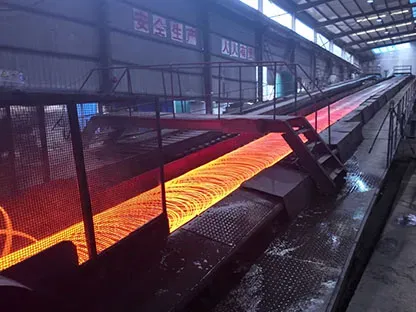
Cost Analysis of Rolling Mill Work Roll Recycling and Reconditioning
From a financial perspective, relying solely on new roll procurement introduces multiple layers of cost:
High Procurement Expenses
Premium-grade work rolls, especially those made from alloyed or forged steel, represent a significant capital investment.
Unplanned Downtime Risks
Sudden roll failures or performance drops can disrupt production schedules, resulting in lost output and delayed deliveries.
Inventory Burden
To mitigate risk, many plants maintain large inventories of spare rolls, tying up working capital and warehouse space.
Logistics and Handling Costs
Transporting heavy rolls for replacement or disposal adds further operational expenses.
In contrast, reconditioning offers a more controlled and cost-efficient model. In practical industrial applications, companies often achieve cost savings in the range of 30% to 60% per roll lifecycle. More importantly, these savings are not one-time—they compound over repeated reconditioning cycles.
Beyond direct cost reduction, reconditioning also stabilizes operational planning. With predictable maintenance intervals and performance consistency, production teams can better coordinate roll changes with scheduled downtime, minimizing disruption.
Performance Considerations: Can Reconditioned Rolls Match New Ones?
A common concern among production managers is whether reconditioned rolls can truly deliver the same performance as new ones.
In reality, when executed by experienced service providers using advanced metallurgical and machining techniques, reconditioned rolls can achieve performance levels comparable to—and in some cases exceeding—new rolls.
This is made possible through:
Precision Grinding and Profiling
Restoring exact geometry ensures consistent contact pressure and dimensional accuracy.
Advanced Heat Treatment
Enhancing hardness and fatigue resistance improves durability under high-load conditions.
Surface Engineering Technologies
Coatings such as chromium plating or ceramic overlays significantly increase wear resistance and reduce surface degradation.
Quality Verification via Non-Destructive Testing (NDT)
Techniques like ultrasonic inspection and magnetic particle testing identify internal defects before they become operational risks.
Rather than simply “repairing” a roll, modern reconditioning processes effectively upgrade its performance characteristics to meet current production demands.
Sustainability Is No Longer Optional
Environmental responsibility is no longer a secondary consideration—it is increasingly tied to regulatory compliance, customer expectations, and corporate reputation.
The traditional discard-and-replace model contributes to:
Increased industrial waste
Higher energy consumption for remanufacturing
Greater demand for raw material extraction
Reconditioning directly addresses these issues by:
Extending the usable life of existing materials
Reducing scrap generation
Lowering the carbon footprint associated with steel production
For companies supplying global markets, especially those working with environmentally conscious clients, adopting roll recycling programs is more than an internal efficiency measure—it is a visible commitment to sustainable manufacturing practices.
Inside the Reconditioning Process: What Actually Happens?
A professional roll reconditioning workflow is far more sophisticated than basic resurfacing. It typically includes:
Initial Inspection and Evaluation
Each roll is assessed for wear patterns, surface damage, and internal integrity.
Non-Destructive Testing (NDT)
Advanced inspection methods detect subsurface cracks or inclusions that could compromise safety.
Controlled Material Removal (Grinding)
Damaged layers are precisely removed while maintaining optimal roll geometry.
Thermal Treatment (If Required)
Heat treatment processes restore or enhance mechanical properties such as hardness and toughness.
Surface Enhancement
Coating or cladding technologies improve resistance to wear, corrosion, and thermal fatigue.
Final Precision Machining and Balancing
Ensures the roll meets strict dimensional and operational tolerances.
Performance Validation
Final checks guarantee readiness for high-load industrial use.
Each stage is tailored to the specific roll type, material composition, and application environment, ensuring consistent and reliable results.
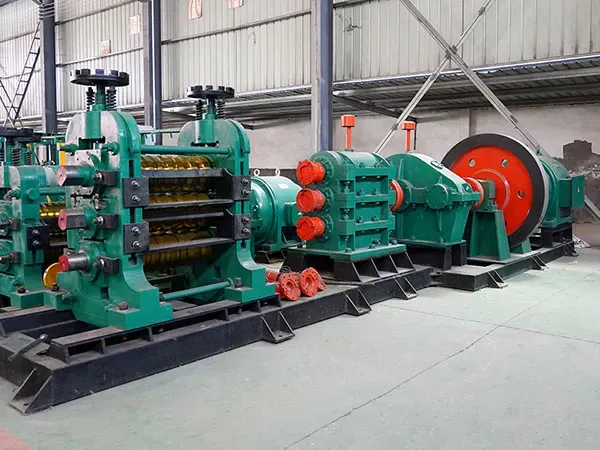
Building an Effective Roll Recycling Strategy
Implementing a successful recycling and reconditioning program requires more than outsourcing repairs. It involves a structured approach:
Partnering with Specialized Providers
Choose service partners with proven expertise, advanced equipment, and strict quality control systems.
Tracking Roll Performance Data
Monitoring wear rates and service cycles enables predictive maintenance and better decision-making.
Standardizing Maintenance Intervals
Establishing clear reconditioning schedules reduces unexpected failures.
Optimizing Inventory Levels
With predictable roll availability, companies can significantly reduce spare stock requirements.
Integrating with Production Planning
Aligning roll maintenance with shutdown schedules minimizes operational disruption.
When properly implemented, this approach transforms roll management from a cost center into a controllable and optimized system.
Conclusion: A Strategic Shift Toward Smarter Manufacturing
The recycling and reconditioning of rolling mill work rolls is no longer just a maintenance option—it is a strategic decision that directly impacts profitability, efficiency, and sustainability.
By extending roll lifespan, reducing capital expenditure, and stabilizing production processes, manufacturers can achieve measurable operational advantages. At the same time, adopting environmentally responsible practices strengthens brand credibility in an increasingly sustainability-driven market.
For companies aiming to remain competitive in a cost-sensitive and performance-driven industry, the question is no longer whether to adopt roll reconditioning—but how quickly it can be integrated into existing operations to unlock its full value.