In today’s highly competitive metal processing industry, rolling mills are under constant pressure to deliver higher output, tighter tolerances, and faster turnaround times. Whether in steel, aluminum, or copper production, operational efficiency is no longer just a performance metric—it is a decisive factor that directly impacts profitability and market competitiveness. Among all maintenance-related activities, roll change remains one of the most critical yet time-sensitive operations. If not managed efficiently, it can significantly disrupt production schedules and increase overall operational costs.
Traditionally, roll change procedures relied heavily on manual intervention. Maintenance teams had to coordinate cranes, align heavy rolls, adjust positioning, and secure components through labor-intensive processes. In many cases, a single roll change could take several hours, especially in large-scale rolling mills. This not only reduced available production time but also introduced inconsistencies in alignment accuracy and increased safety risks for operators. As production demands continue to rise, this traditional approach is no longer sufficient.
What Is a Quick Roll Change (QRC) System?
A quick roll change (QRC) system is an integrated mechanical and hydraulic solution designed to streamline and accelerate the roll replacement process in rolling mills. Instead of relying on manual handling, QRC systems use engineered mechanisms such as hydraulic cylinders, automated roll shifting devices, rail-guided transfer cars, and precision alignment units to perform roll changes quickly and accurately.
Modern QRC systems are often integrated with the mill’s automation and control systems, allowing operators to monitor and control the entire process through a centralized interface. This integration ensures consistent execution, reduces reliance on manual skills, and enhances repeatability. In advanced installations, QRC systems can even be synchronized with production planning software to minimize disruptions and optimize scheduling.
Performance of the Rolling Mill Quick Roll Change System
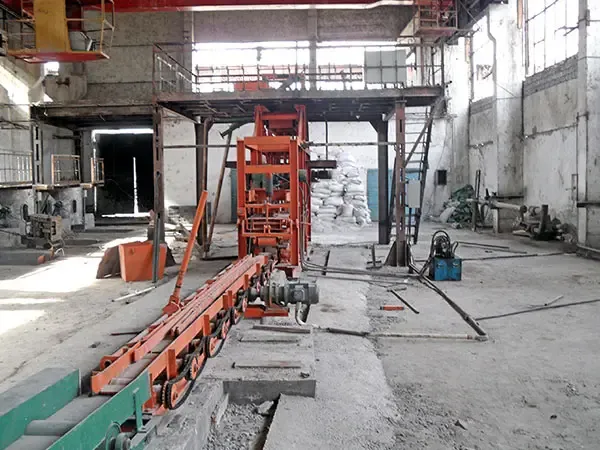
Significant Reduction in Downtime
One of the most compelling advantages of QRC systems is their ability to drastically reduce downtime. In conventional setups, roll change operations can consume a substantial portion of the production shift. With a well-designed QRC system, this time can be reduced by 50% to 70%, and in some cases even more.
This improvement translates directly into increased machine availability and higher throughput. For manufacturers operating in high-demand sectors such as automotive steel, construction materials, or packaging aluminum, the ability to minimize downtime can make a measurable difference in meeting delivery deadlines and maintaining customer satisfaction.
Moreover, reduced downtime allows rolling mills to operate more flexibly. Instead of delaying maintenance due to production pressure, operators can perform roll changes more frequently and at optimal intervals, which helps maintain consistent product quality.
Improved Operational Safety
Safety remains a top priority in any industrial environment, especially in rolling mills where heavy components and high temperatures are involved. Traditional roll changing methods expose workers to multiple hazards, including suspended loads, pinch points, and improper handling of multi-ton rolls.
QRC systems significantly reduce these risks by minimizing direct human involvement. Automated lifting, guided positioning, and secure locking mechanisms ensure that rolls are handled with precision and stability. In addition, many QRC systems are equipped with safety interlocks, sensors, and emergency stop features that prevent accidental movement or misalignment.
By creating a more controlled and predictable environment, QRC systems not only protect workers but also help companies comply with increasingly strict safety regulations and industry standards.
Enhanced Product Quality and Equipment Longevity
Precision in roll alignment plays a crucial role in determining the final quality of rolled products. Even minor deviations can lead to defects such as uneven thickness, surface imperfections, or internal stresses. Manual roll changes often struggle to achieve the level of accuracy required for high-end applications.
QRC systems address this challenge by incorporating precision alignment technologies that ensure consistent roll positioning. As a result, rolling pressure is distributed more evenly, leading to improved product uniformity and reduced rejection rates.
At the same time, proper alignment reduces unnecessary wear on rolls, bearings, and other critical components. This extends the service life of equipment and lowers the frequency of maintenance interventions, ultimately reducing long-term operating costs.
Cost Efficiency and Return on Investment
Although the initial investment in a QRC system may seem substantial, the long-term economic benefits are difficult to ignore. Reduced downtime means higher production output, while automation lowers labor costs and minimizes the risk of costly errors or equipment damage.
In many cases, rolling mills can achieve a return on investment within a relatively short period, especially when operating at high capacity. Additionally, improved product quality and faster delivery times enhance customer satisfaction, which can lead to repeat business and stronger market positioning.
For companies looking to scale their operations or enter more demanding markets, QRC systems provide a solid foundation for sustainable growth.
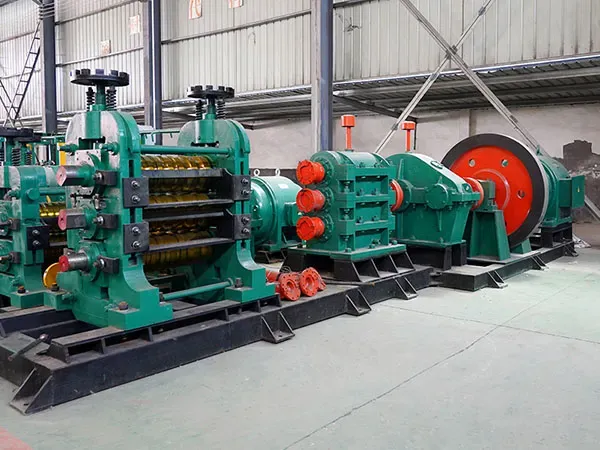
Integration with Smart Manufacturing and Predictive Maintenance
As the metal processing industry moves toward digitalization, QRC systems are increasingly being integrated with smart manufacturing technologies. Sensors installed on rolls and related components can monitor key parameters such as temperature, vibration, and wear in real time.
By analyzing this data, operators can identify early signs of potential issues and schedule roll changes proactively rather than reactively. This approach, known as predictive maintenance, helps avoid unexpected breakdowns and further reduces unplanned downtime.
When combined with QRC systems, predictive maintenance creates a highly efficient and intelligent workflow where roll changes are performed at the optimal time with minimal disruption to production.
Application Scenarios Across Different Rolling Mills
QRC systems are widely used in various types of rolling mills, including:
Hot rolling mills, where high temperatures and heavy loads demand robust and reliable roll handling solutions
Cold rolling mills, which require precise alignment to achieve tight thickness tolerances
Wire rod and bar mills, where frequent roll changes are necessary due to wear
Aluminum and non-ferrous metal mills, where surface quality is critical
Each application has unique requirements, and modern QRC systems can be customized to meet specific operational needs, ensuring maximum efficiency and compatibility.
Conclusion: A Strategic Upgrade for Modern Rolling Mills
Quick roll change systems have transformed the way rolling mills approach maintenance and production efficiency. By replacing time-consuming manual processes with automated, precise, and reliable mechanisms, QRC technology enables manufacturers to significantly reduce downtime, improve safety, and enhance product quality.
More importantly, QRC systems align perfectly with the broader trend toward automation and intelligent manufacturing. Companies that invest in this technology not only improve their current operations but also position themselves for future growth in an increasingly competitive market.
For rolling mill operators seeking to optimize performance, reduce operational risks, and gain a measurable competitive advantage, adopting a QRC system is no longer just an option—it is a strategic necessity.