Preparation
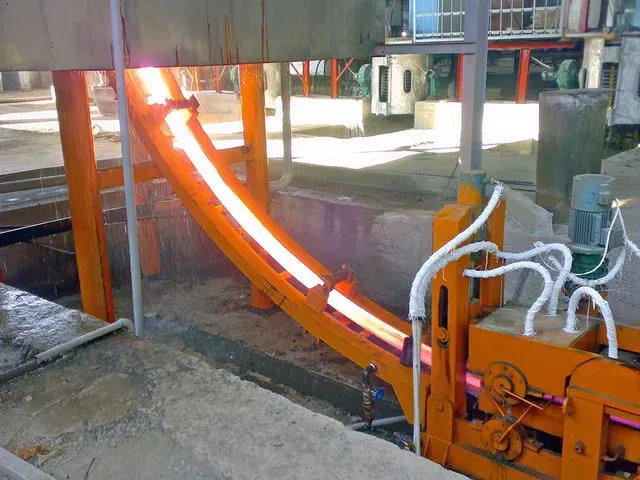
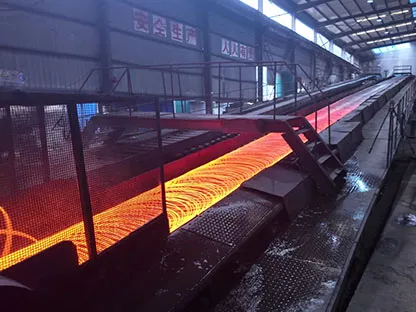
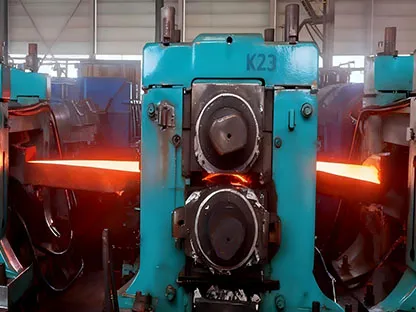
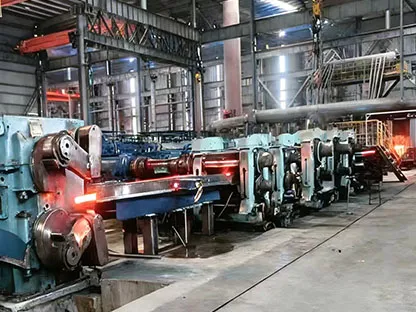
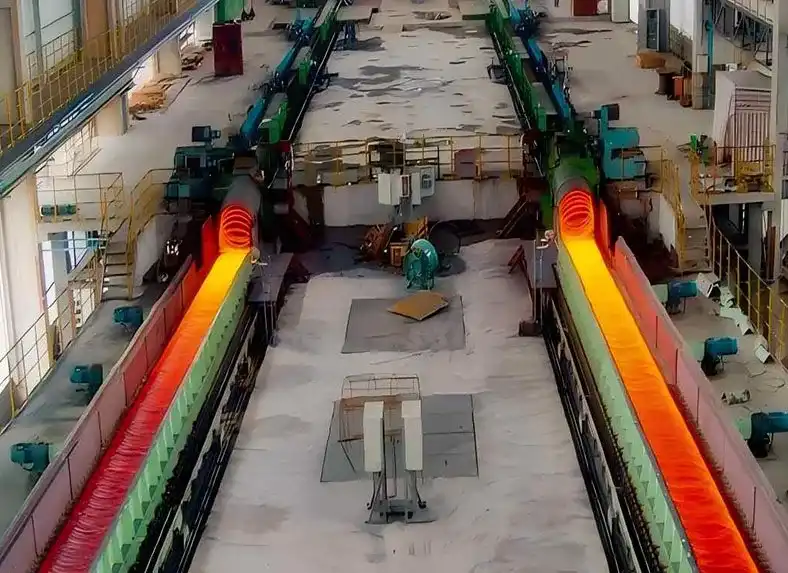
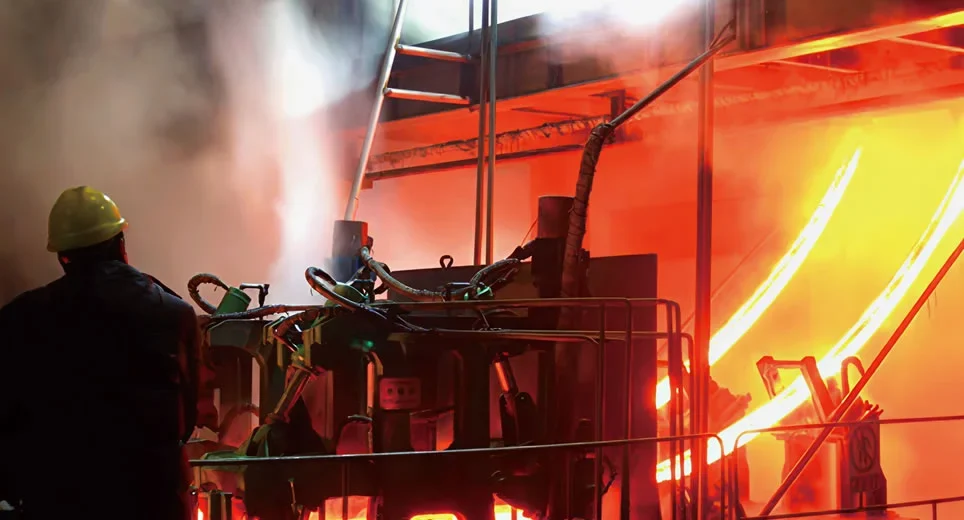
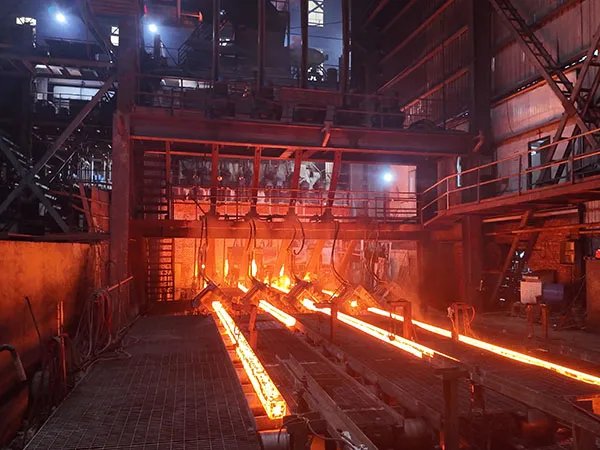
The metal, often a large cast piece like a slab or billet, is prepared for rolling. In hot rolling, the metal is heated to a very high temperature (above its recrystallization point) to make it more malleable and easier to shape. In cold rolling, the metal is processed at or near room temperature.
Compression
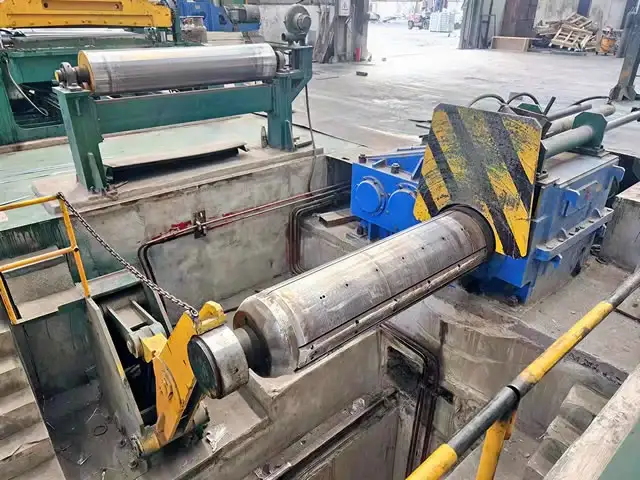
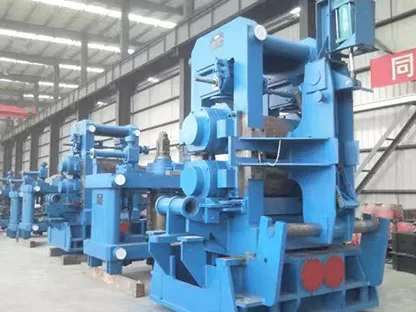
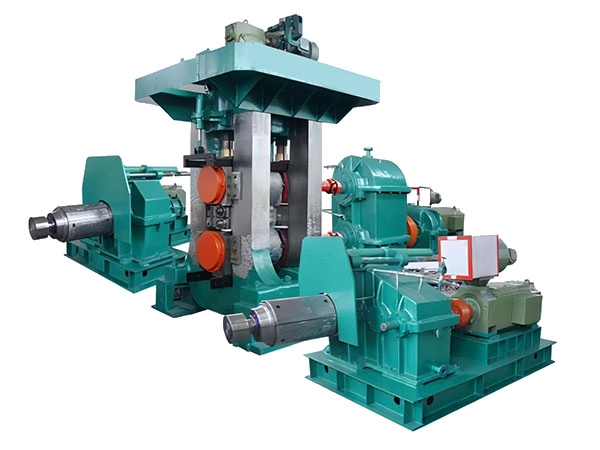
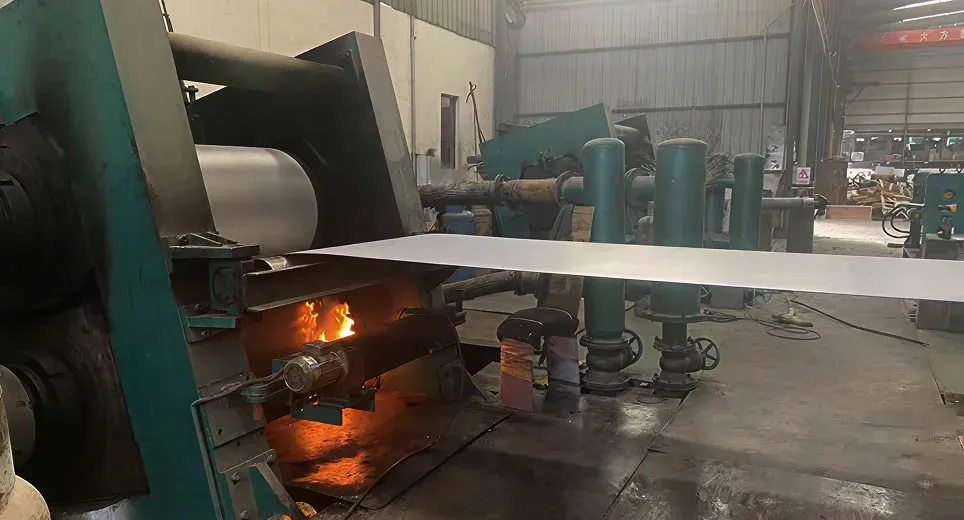
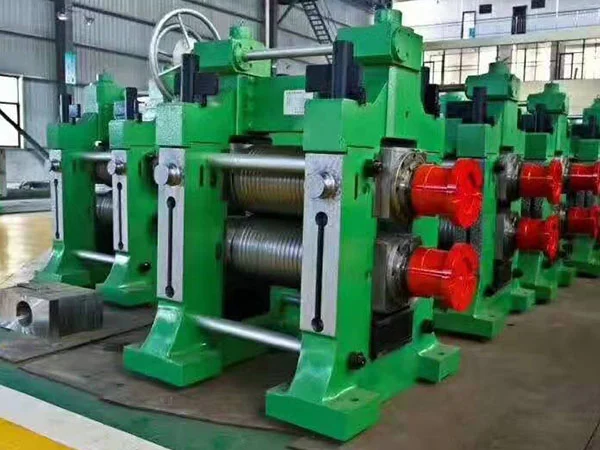
The prepared metal is fed into the rolling mill. The gap between the rollers is set to be smaller than the thickness of the metal. As the metal passes through, the rollers exert high pressure, which compresses and reshapes it. The material's thickness is reduced, and its length increases.
Multiple Passes
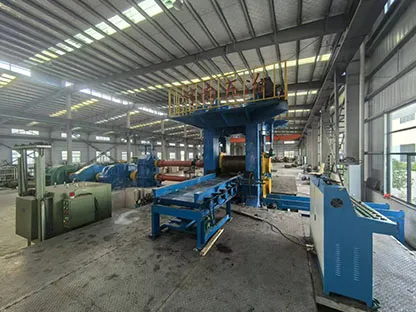
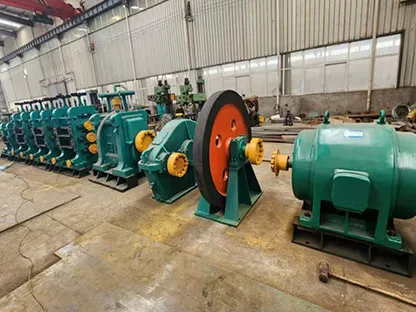
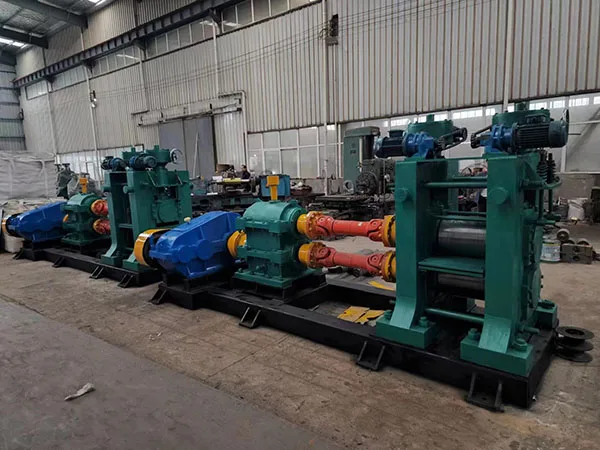
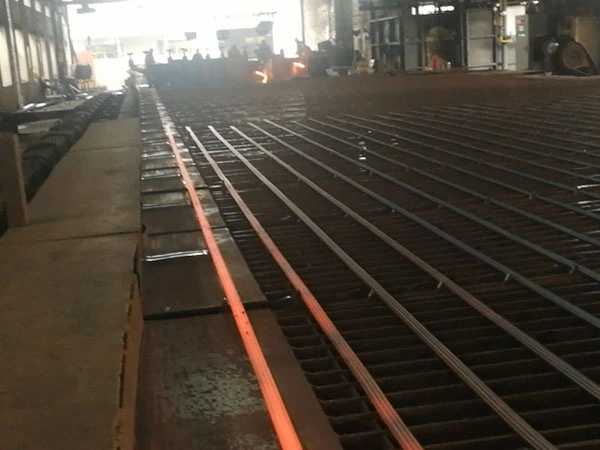
To achieve the desired final shape and thickness, the metal often goes through several passes. A single rolling mill may have multiple stands of rollers, or the metal may be passed back and forth through a single set of rollers.
Finishing
After the final pass, the metal is cooled and may undergo further processes like coiling, cutting, or surface treatments to meet the final product specifications.
Core Technology of Rolling Mill
Automation and Control Systems
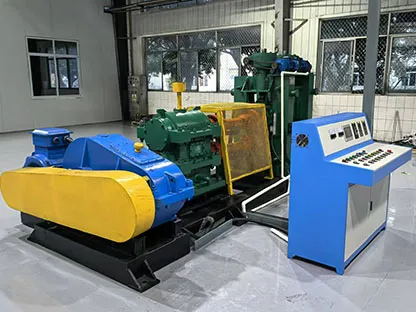
The modern rolling mill is a highly automated system. Computer Numerical Control (CNC) systems, along with advanced sensors and feedback loops, monitor and adjust parameters like roll pressure, speed, and temperature in real-time. This ensures consistent product quality, tight dimensional tolerances, and minimal waste.
Advanced Metallurgy and Materials
The rolls themselves are a major area of technological advancement. Modern rolls are made from specialized materials with improved properties like higher hardness and wear resistance. Surface coatings, such as chrome plating, are also used to extend roll life and enhance product quality.
Thermo-Mechanical Control Process (TMCP)
This technology, particularly in hot rolling, involves precisely controlling the rolling temperature and cooling rate. TMCP allows for the production of steel with specific microstructures and superior mechanical properties, such as high strength and ductility. A key application is the production of TMT (Thermo-Mechanically Treated) bars, which are essential for earthquake-resistant construction.
Rolling Processes · Rolling Processess ·
A Complete Analysis of the Cold Rolling Process: From Raw Materials to High-precision Finished Coils
Read more
Cold Rolling Mill Working Principle Explained: A Complete Beginner’s Guide
Read more
Cold Rolling Mill Price Guide 2025: Key Cost Factors Every Buyer Should Know
Read more
Steel Bar Production Line vs Traditional Processing: Maximize Efficiency, Quality & Profitability
Read moreIf you have any product related questions, please feel free to call us at any time
With 30 years of professional experience, we customize efficient and energy-saving rolling mill production lines, providing you with one-stop service from design to installation and commissioning, helping you achieve steady growth in the steel industry.
Go
Top
SHENLONG Machinery · Your Rolling Equipment Expert ·